Titanium Containers: Material, Design and Buyer Considerations
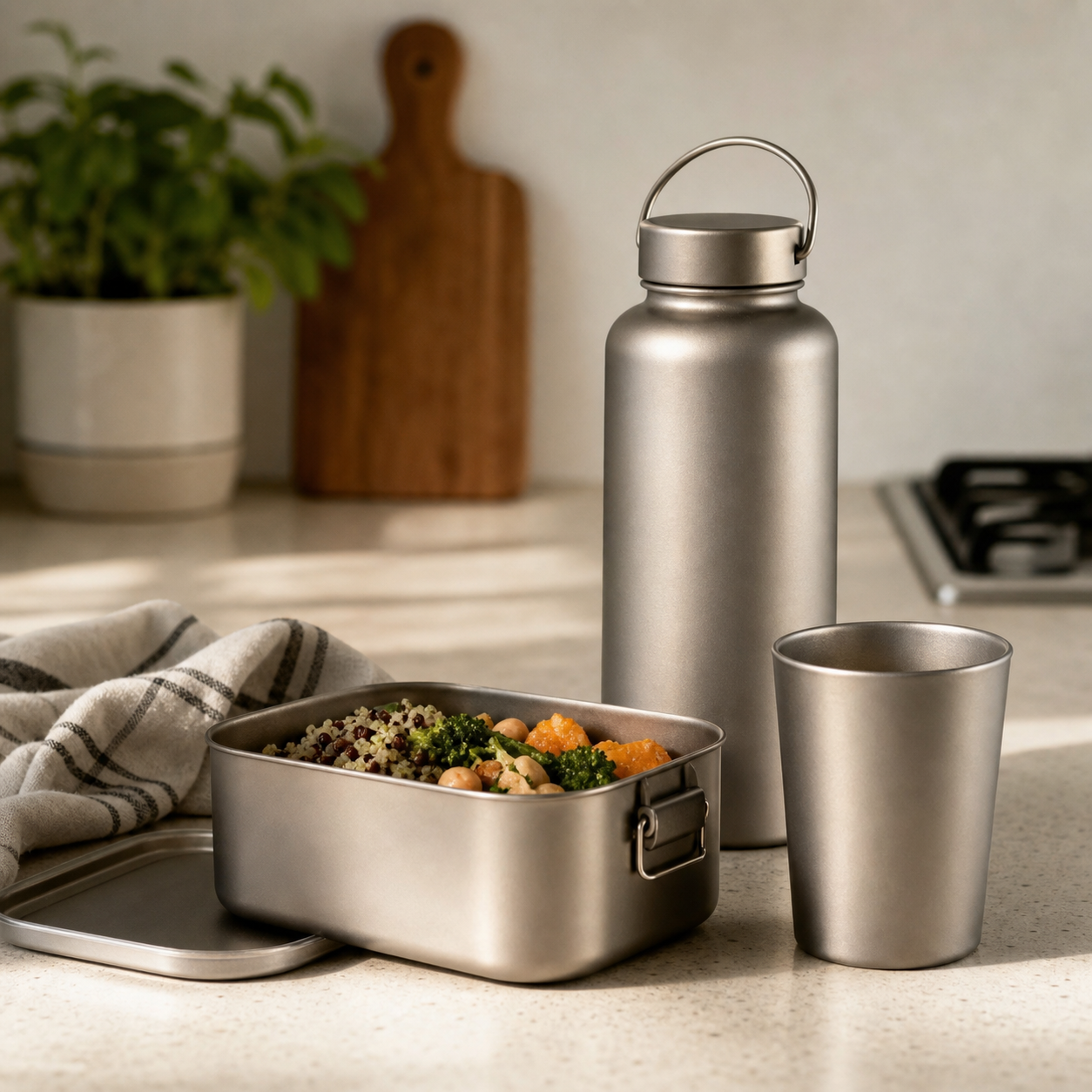
Some materials announce themselves immediately. Glass feels clear and fragile. Plastic feels convenient but temporary. Stainless steel feels familiar, dependable, and a little heavy. Titanium feels different in a quieter way. Pick up a titanium cup, bowl, bottle, or food container, and the first impression is often surprise: it is lighter than expected, cooler in appearance, and somehow more precise in the hand.
That feeling is not only design. It comes from the material itself.
Why Titanium Containers Feel Different in Daily Use
The most obvious advantage of titanium is weight. A titanium bottle or bowl can feel almost unusually light compared with stainless steel. For travelers, hikers, office commuters, and parents packing daily bags, that difference becomes practical quickly.
Lightness can sometimes create the impression of weakness, but titanium avoids that trap because of its strength-to-weight ratio. It can be formed into thin-walled products that remain sturdy under everyday use.
Surface Feel in Daily Use
Food containers have a simple job that is surprisingly difficult: hold different substances without adding anything unwanted. Tomato soup, lemon water, coffee, tea, salt, oil, and acidic fruit all interact with container surfaces in their own way.
Titanium is naturally protected by a thin oxide layer that forms on its surface. This layer is stable, self-renewing, and highly resistant to corrosion. In daily terms, the material does not easily rust, stain, or release a metallic taste. It also does not rely on a coating that can peel away with time.
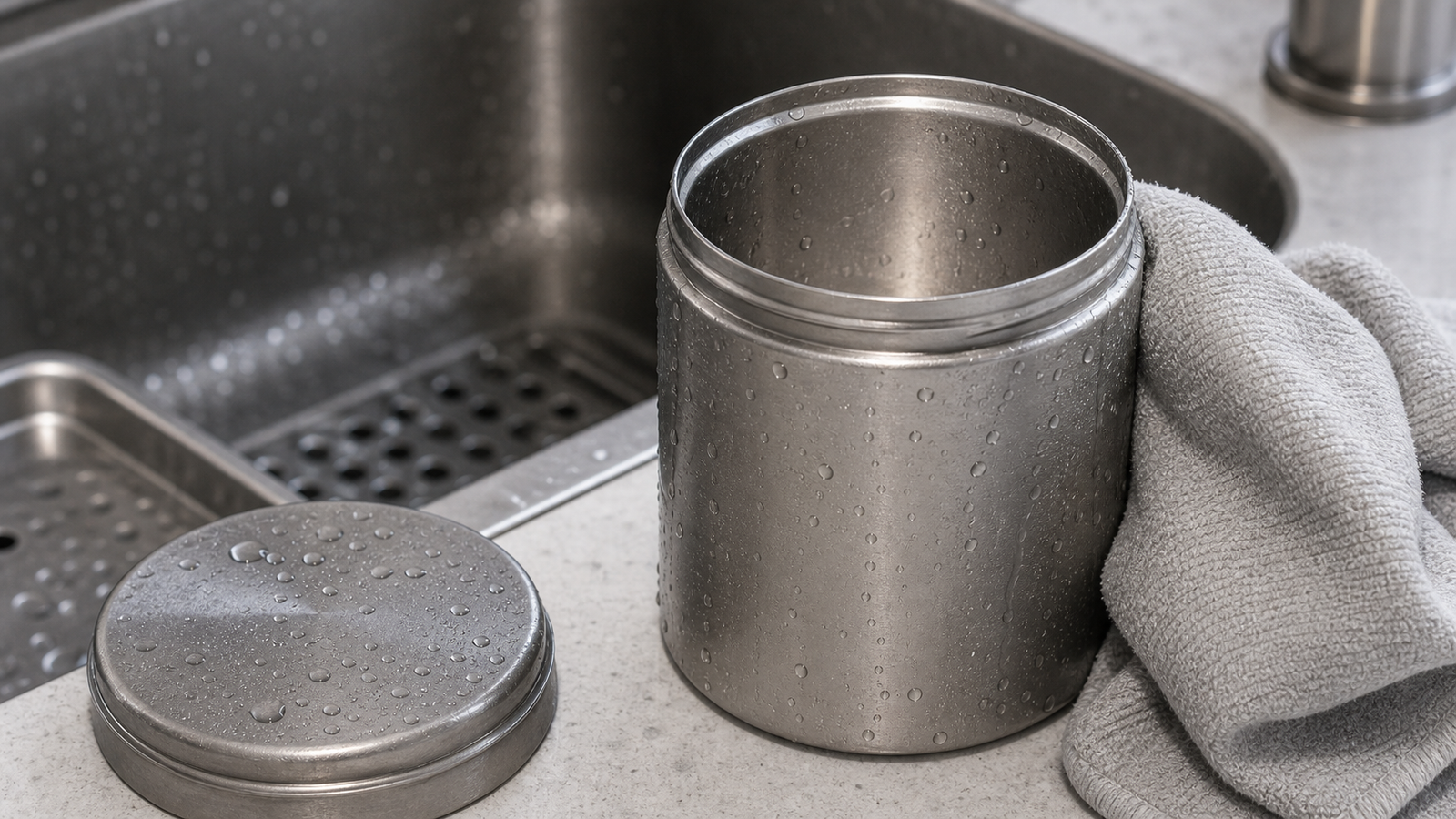
Clean gear is not only about washing. It is about how a material behaves after repeated contact with moisture, heat, acids, oils, and hands. Titanium's corrosion resistance helps it remain stable through this cycle.
A smooth titanium surface can be easy to rinse, and it tends to resist lingering odors. It is also non-toxic and widely valued for biocompatibility, which explains why the metal has earned trust in applications where contact safety matters.
Titanium conducts heat more slowly than aluminum and many steels. In cups, bowls, and utensils, the surface often feels less aggressive against the hand than more conductive metals. Cold tells a similar story: it may feel crisp, but it does not steal warmth from the hand as quickly as some metals.
Material Behavior: Clean Contact, Surface Finish, and Temperature
Modern households often collect too many containers: plastic boxes that warp, coated bottles that chip, travel cups that develop odors, and cheap metal items that dent or rust before anyone expected them to. Titanium offers a different approach. Own fewer things, but choose objects that remain useful longer.
The difference in titanium containers is not only that they are light. They combine lightness with stability. They resist rust, avoid unwanted taste, handle temperature changes calmly, and keep their usefulness through years of repeated handling.
Two titanium containers made from the same grade can feel different because of surface finish. A polished surface may look brighter and wipe clean easily, while a brushed or sandblasted surface may hide fingerprints and feel more secure in the hand. An anodized surface can add color without paint, relying on the thickness of titanium's oxide layer rather than a coating that sits on top of the metal.
Why Cleaning Feels Simple
For food and drink containers, finish is not only about appearance. A smoother interior can make cleaning easier, while a slightly textured exterior can improve grip. Edges, seams, welds, lids, threads, and seals all matter. A lightweight titanium bottle still needs a well-designed cap. A beautiful titanium bowl still needs a comfortable rim. Material quality and product design have to meet in the same object.
The advantages of titanium containers become clearer through repetition. A lunch box that does not hold strong odors is more likely to be reused. A bottle that does not rust after being left damp is easier to trust. A cup that feels light in a bag is more likely to travel. These are not dramatic benefits, but they are exactly the kind of benefits that shape daily habits.
For office workers, travelers, hikers, students, and families, titanium can reduce the small friction that often causes reusable products to be abandoned. If a container is heavy, difficult to clean, or unpleasant to drink from, people return to disposable alternatives. If it is light, neutral, and durable, reuse becomes natural rather than virtuous labor.
What the Material Does Not Add
Titanium itself is valued for biocompatibility and corrosion resistance, but a finished container includes more than metal. Lids may use silicone seals, plastic inserts, or other components. Welded containers need clean seams. Double-wall products require careful manufacturing. If a product is meant for hot drinks, outdoor cooking, or long-term storage, the full assembly should be evaluated.
Buyers should ask whether the titanium is commercially pure or alloyed, whether any coatings serve, and what materials are present in lids or seals. For private-label products, documentation and testing may be important for import, retail, or brand trust. A clean marketing story should be supported by clear product information.
Titanium containers are not necessary for every situation. A glass jar may be better for pantry storage. A ceramic bowl may be more pleasant for a quiet meal at home. Stainless steel may be the most economical choice for many kitchens. Titanium becomes most useful when low weight, corrosion resistance, repeated carrying, and long service life matter at the same time.
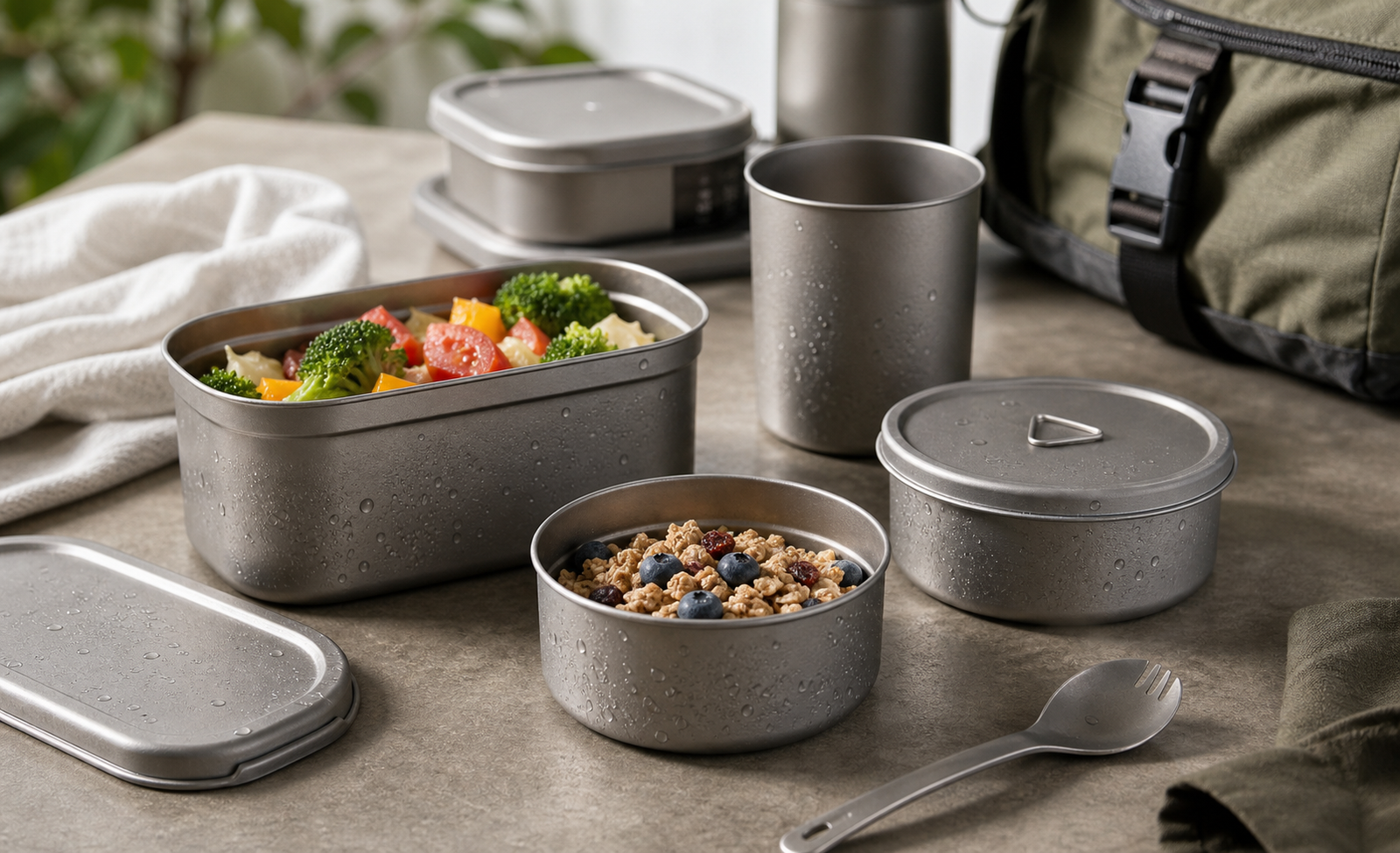
This is why titanium makes sense for travel mugs, camping cookware, compact lunch kits, water bottles, and premium reusable containers. It is also attractive for customers who prefer products without coatings, heavy liners, or materials that absorb flavor. The value grows with use. A titanium container sitting on a shelf is expensive; a titanium container used every day becomes practical.
Design Details That Decide Whether a Container Works
Minimalism is sometimes treated as an aesthetic, but in daily gear it is more useful as a discipline. Fewer objects, better chosen, easier to keep. Titanium supports that approach because it allows one object to serve across different environments: kitchen, office, travel, picnic, campsite, and routine errands.
The material's quiet strength helps the product stay in service, while its clean surface helps it remain pleasant. That combination is the real reason titanium containers feel different. They do not ask to be replaced quickly, and they do not demand much attention to keep doing their work.
For companies selling titanium containers, the most effective message is often simple: light, clean, corrosion resistant, and built for long use. Customers do not need exaggerated promises. They need to understand why the product costs more than ordinary alternatives and how that cost becomes reasonable through repeated use.
Outdoor and Kitchen Use
Good product pages can mention the titanium grade, surface finish, lid material, cleaning method, and intended use. This kind of clarity helps customers choose the right item and reduces unrealistic expectations. Titanium feels premium, but it earns trust when the explanation stays practical.
For OEM or custom titanium projects, consistent finish and packaging are also part of quality. A titanium container should not only perform well; it should arrive clean, protected, and visually consistent enough to represent the brand behind it.
Many food and drink containers use commercially pure titanium rather than high-strength aerospace alloys. The reason is practical: containers usually need corrosion resistance, formability, light weight, and food-contact stability more than extreme strength. Commercially pure titanium can be shaped into cups, bowls, bottles, and cookware while maintaining the clean surface behavior that customers value.
For buyers, this distinction matters. A product does not become better simply because it uses a stronger alloy. The right grade depends on the object. A thin cup, a double-wall bottle, a lunch box, and a cooking pot all have different forming, welding, and finishing requirements. The material should match the product's real job.
Check Edges and Lids
Titanium containers often involve deep drawing, spinning, stamping, welding, polishing, or surface treatment. Each process affects the final feel. Poor forming can create uneven thickness. Poor welding can leave rough seams or contamination. Poor polishing can create inconsistent appearance. The customer may not know the manufacturing terms, but they will notice when the product feels unfinished.
For brands sourcing titanium containers, factory capability matters as much as material. Ask about forming methods, welding protection, leak testing for bottles, lid fit, and finish consistency. A lightweight titanium product needs precision because thin material leaves less room to hide manufacturing mistakes.
Titanium's lower thermal conductivity gives it a comfortable touch in many daily products, but it also affects cooking behavior. A titanium cup or pot may not spread heat as evenly as aluminum or copper. For boiling water, outdoor cooking, or simple heating, this can be acceptable. For delicate cooking that requires even heat distribution, design becomes more important.
This is why some titanium cookware uses specific shapes, thicker bases, or companion materials. A good product description should be honest about use. Titanium is excellent for lightweight, corrosion-resistant containers and outdoor cookware, but it does not behave exactly like every kitchen metal. Helping customers understand this prevents disappointment.
Buyer and Brand Considerations for Titanium Containers
A container is only as useful as its closure. Titanium may form the body, but lids, silicone rings, handles, hinges, and caps determine whether the product works in daily life. A bottle that leaks is a failure even if the metal is excellent. A lunch box that is hard to open will not be loved simply because it is lightweight.
Brands should evaluate the complete user experience: opening, closing, cleaning, drying, carrying, stacking, and storing. If non-titanium parts serve, their materials should be identified and tested for the intended use. A premium container needs premium attention to the small parts.
Titanium is easy to care for, but customers still appreciate clear guidance. Explain whether the product is dishwasher safe, whether abrasive pads may change the finish, how to remove tea or coffee marks, and how to care for silicone seals. Simple instructions reduce customer service issues and help the product last longer.
Value Over Repeated Use
It is also useful to explain that surface marks are normal in long-term use. Titanium resists corrosion, but it is not immune to scratches. A brushed or matte finish may hide marks better than a mirror finish. When customers know what to expect, they are more likely to see wear as character rather than failure.
The reusable product market is crowded. Stainless steel, glass, plastic, silicone, ceramic, and aluminum all have roles. Titanium stands out when the buyer wants low weight, clean taste, corrosion resistance, and long service life in one object. It is especially attractive for travel, outdoor use, premium gifting, and customers who dislike coatings or liners.
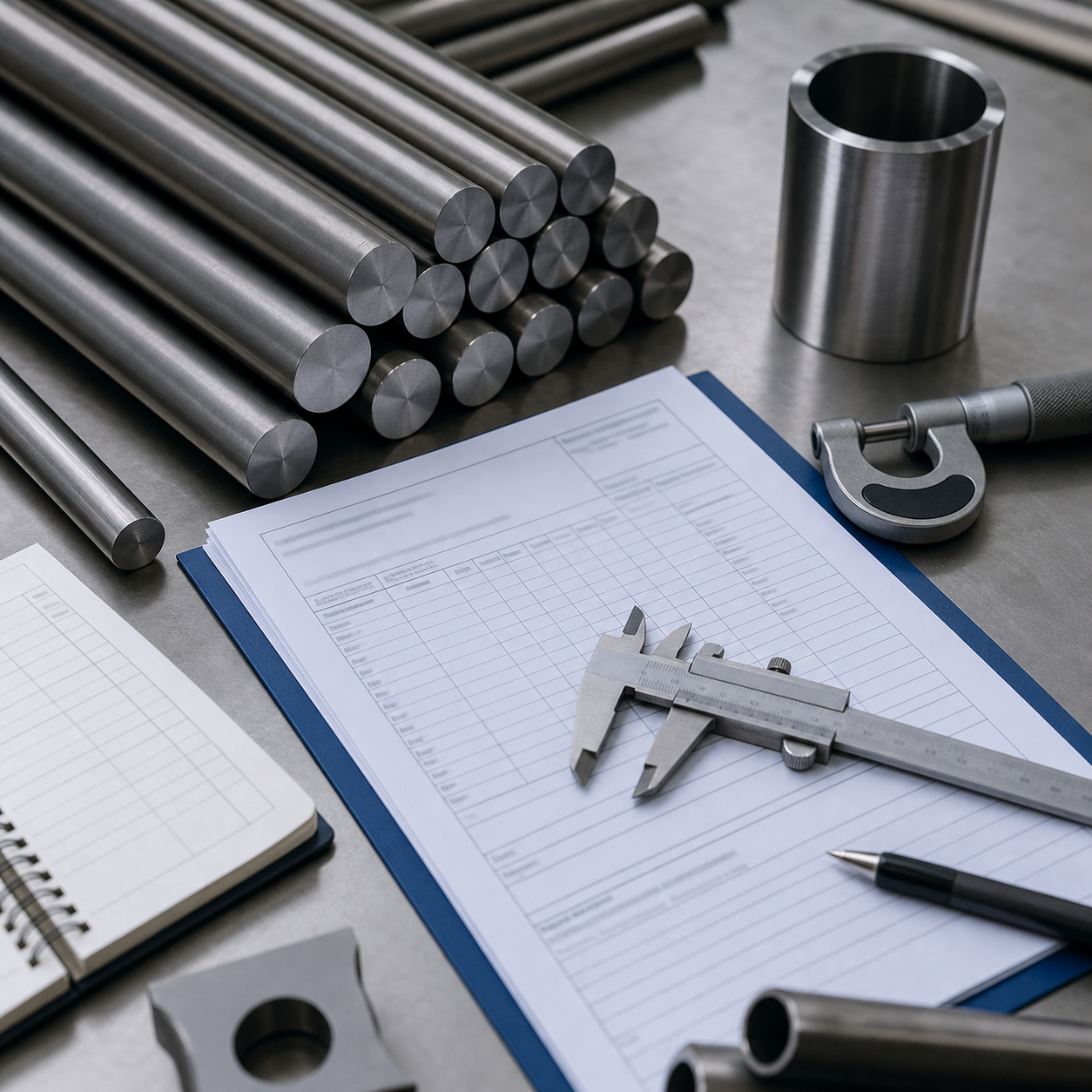
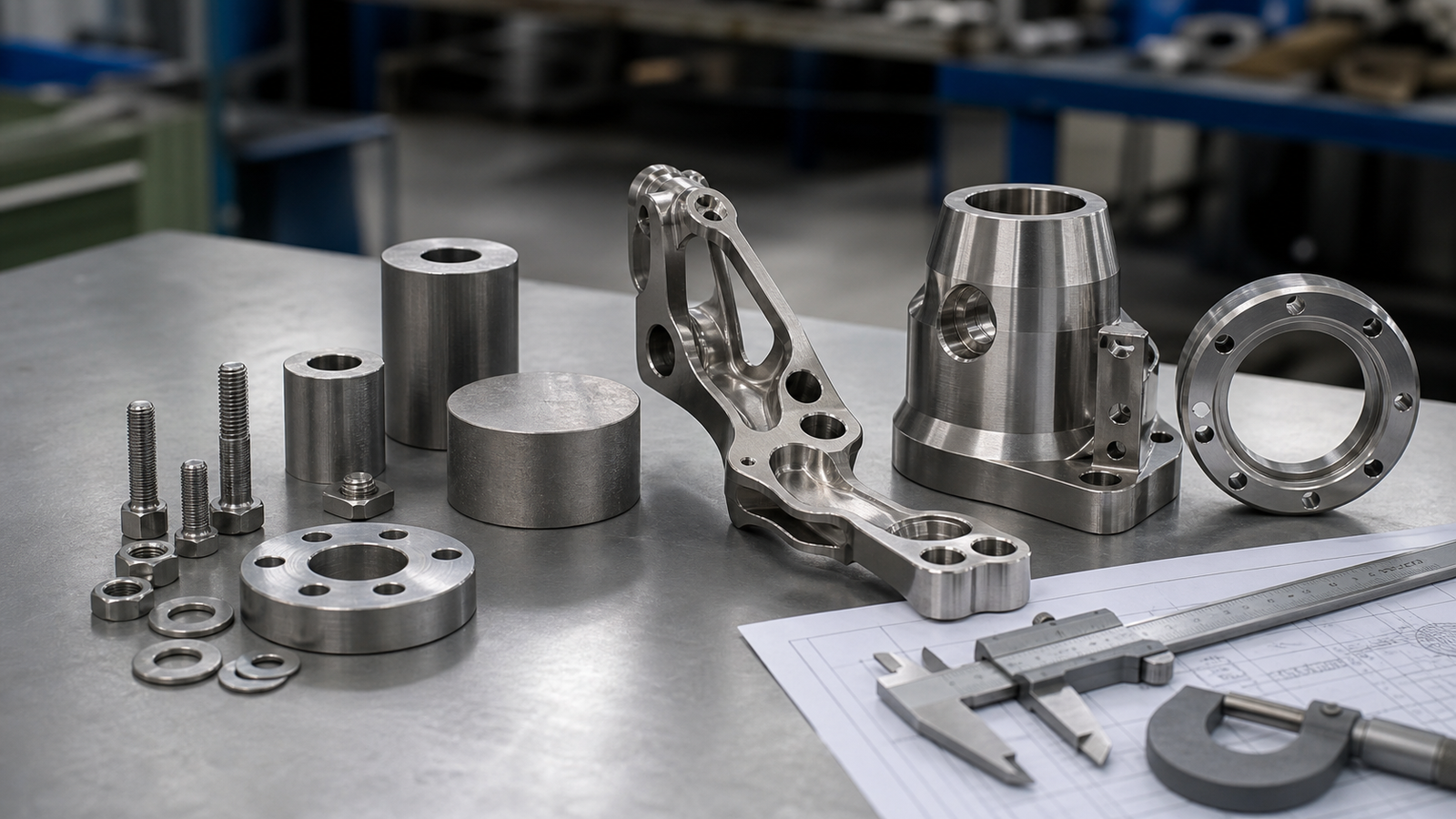
For industrial suppliers, this creates opportunities beyond raw material sales. Titanium sheet, tube, wire, fasteners, and formed parts can support a wide range of consumer products. The same material story that works in aerospace and medical contexts can be translated into everyday life when the claims stay grounded.
Practical Care Habits
A titanium container does not need to be dramatic to be valuable. Its strengths appear through repetition: the cup carried every morning, the bottle that does not rust, the lunch box that stays clean, the cookware that survives trip after trip. The more often the object serves, the more its material logic becomes visible.
That is why titanium containers feel different. They are built around stability, lightness, and quiet durability, qualities that become more persuasive the longer the product remains in service.
For brands developing private-label titanium containers, the specification should include more than capacity and logo placement. It should define titanium grade, wall thickness range, surface finish, lid material, seal material, leak-test requirements, packaging, cleaning instructions, and acceptable cosmetic variation. These details protect both the buyer and the factory.
Capacity should also be defined carefully. Some products are measured to the rim, while others are measured by practical fill volume. A small misunderstanding can lead to customer complaints even when manufacturing is technically correct. Good specifications turn a product idea into something repeatable.
Conclusion: A Practical Premium Material for Repeated Use
Depending on the product, useful tests may include leak testing, drop testing, dishwasher-cycle review, odor retention checks, lid fatigue testing, and surface inspection after repeated cleaning. Not every container needs every test, but premium reusable products should be evaluated in ways that reflect real use.
For export or retail programs, food-contact testing and material declarations may also be needed. Titanium's reputation is strong, but finished products still need evidence. When a brand can support its claims with testing and documentation, customers have more reason to trust the product.
A long-lasting container should not arrive in careless packaging. Protective wrapping prevents scratches during transport, while clear product information helps customers understand care and use. For premium gifts, packaging may also communicate the quiet, durable character of titanium without feeling excessive.
Not every titanium container needs to serve the same customer. A travel bottle may focus on leak resistance and low weight. A camping pot may focus on packability and heat exposure. A lunch box may focus on cleaning, sealing, and daily durability. A gift set may prioritize finish consistency and presentation.
A Buyer-Friendly View
Brands should choose product direction before choosing details. When the use case is clear, wall thickness, finish, lid design, packaging, and testing become easier to define. Titanium works best when the product is designed around a real routine rather than a vague premium image.
Titanium containers are interesting because they translate an industrial material into a personal object. The same corrosion resistance and stability valued in demanding applications become meaningful in a cup, bowl, bottle, or lunch box. The scale changes, but the material logic remains.
That translation works best when the design is restrained. Clean forms, reliable lids, smooth edges, honest finishes, and clear care instructions allow the material to speak for itself. Titanium does not need excessive decoration to feel valuable.
For customers comparing options, the strongest reason to choose titanium is not novelty. It is the combination of low weight, clean contact, corrosion resistance, and long service life in one object. When a container serves daily, that combination becomes easy to appreciate.
For distributors, this also helps with customer education. Instead of presenting titanium as a mysterious premium metal, they can explain its daily advantages in plain language: lighter to carry, stable with food and drink, resistant to rust, and suitable for repeated use. Clear education makes the higher price easier to understand.
This is why the best titanium container is designed around use first and material second. When both are aligned, the product feels simple, premium, and genuinely practical.
Information to Include in a Titanium Container Inquiry
For an OEM, wholesale, or custom component review, provide the intended use, titanium grade, dimensions, wall thickness, quantity, forming or welding requirements, surface finish, lid or seal materials, testing needs, packaging, and destination.
Send these details through our titanium container inquiry. Our team will review whether the requested material form and manufacturing route match the project.
Share this article

Written by : Young Things Metal Co,LTD
Follow us
Table Of Content
- Why Titanium Containers Feel Different in Daily Use
- Material Behavior: Clean Contact, Surface Finish, and Temperature
- Design Details That Decide Whether a Container Works
- Buyer and Brand Considerations for Titanium Containers
- Conclusion: A Practical Premium Material for Repeated Use
- Information to Include in a Titanium Container Inquiry
Latest articles
October 10, 2026
October 10, 2026