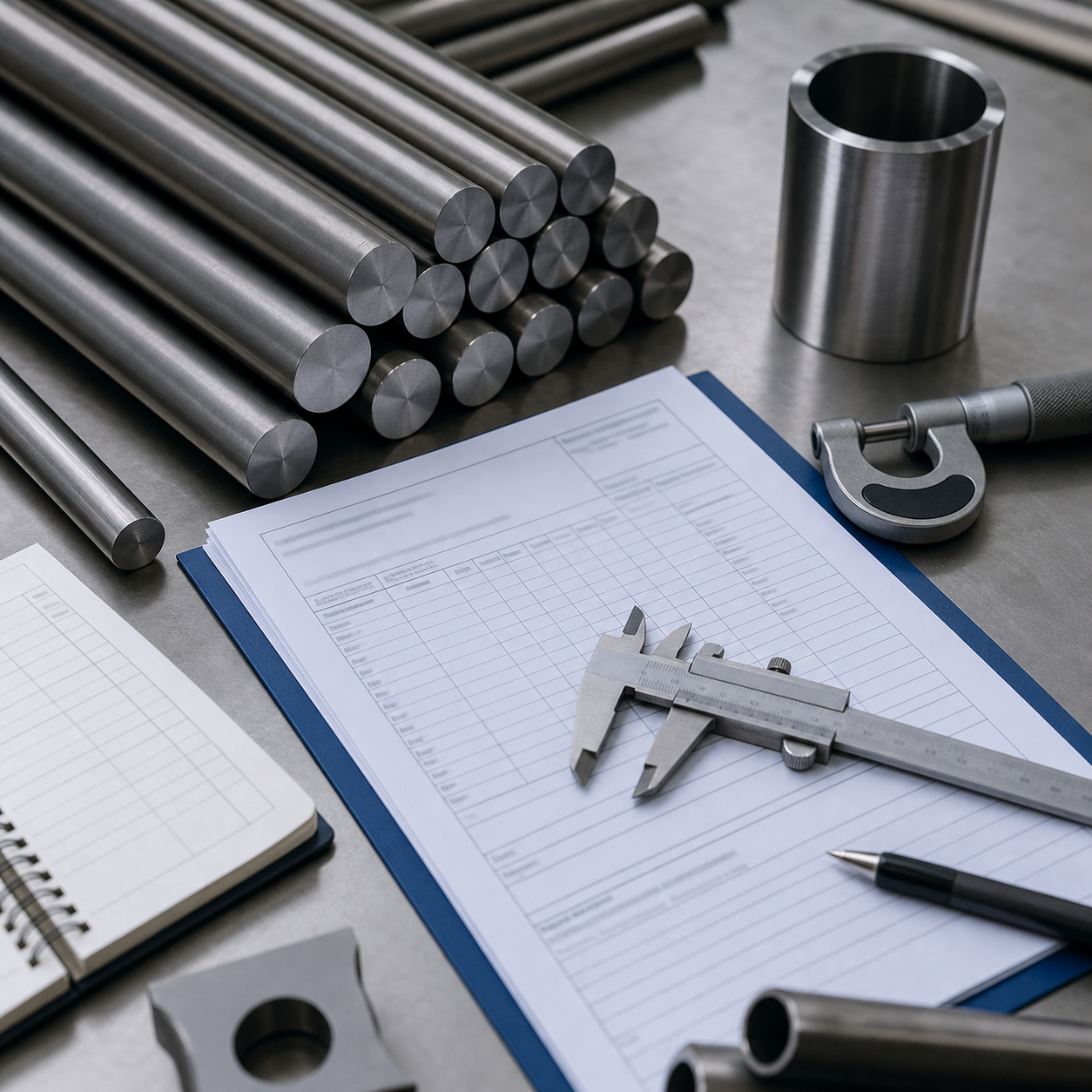
In a machine shop, titanium scrap rarely looks glamorous. It may appear as curled chips, edge trims, rejected blanks, turnings, or offcuts gathered near a lathe or milling center. To an untrained eye, it can look like waste. To a careful manufacturer, it is something more valuable: stored energy, stored material, and a second chance to improve the economics of production.
Titanium recycling is not only an environmental topic. It is becoming a manufacturing strategy.
Why Titanium Scrap Should Be Treated as a Resource
In a machine shop, titanium scrap rarely looks glamorous. It may appear as curled chips, edge trims, rejected blanks, turnings, or offcuts gathered near a lathe or milling center. To an untrained eye, it can look like waste. To a careful manufacturer, it is something more valuable: stored energy, stored material, and a second chance to improve the economics of production.
Titanium recycling is not only an environmental topic. It is becoming a manufacturing strategy.
Titanium is valuable because it is difficult to produce. From sponge production to melting, forging, rolling, machining, and inspection, each step requires energy, control, and expertise. When titanium becomes scrap, the material value does not disappear. It simply changes form.
For companies that machine titanium rods, plates, forgings, or custom parts, scrap management can influence cost, sustainability reporting, and supply chain resilience. Clean, well-sorted titanium scrap is far more useful than mixed, contaminated material. The difference begins on the shop floor.
Separation Comes First
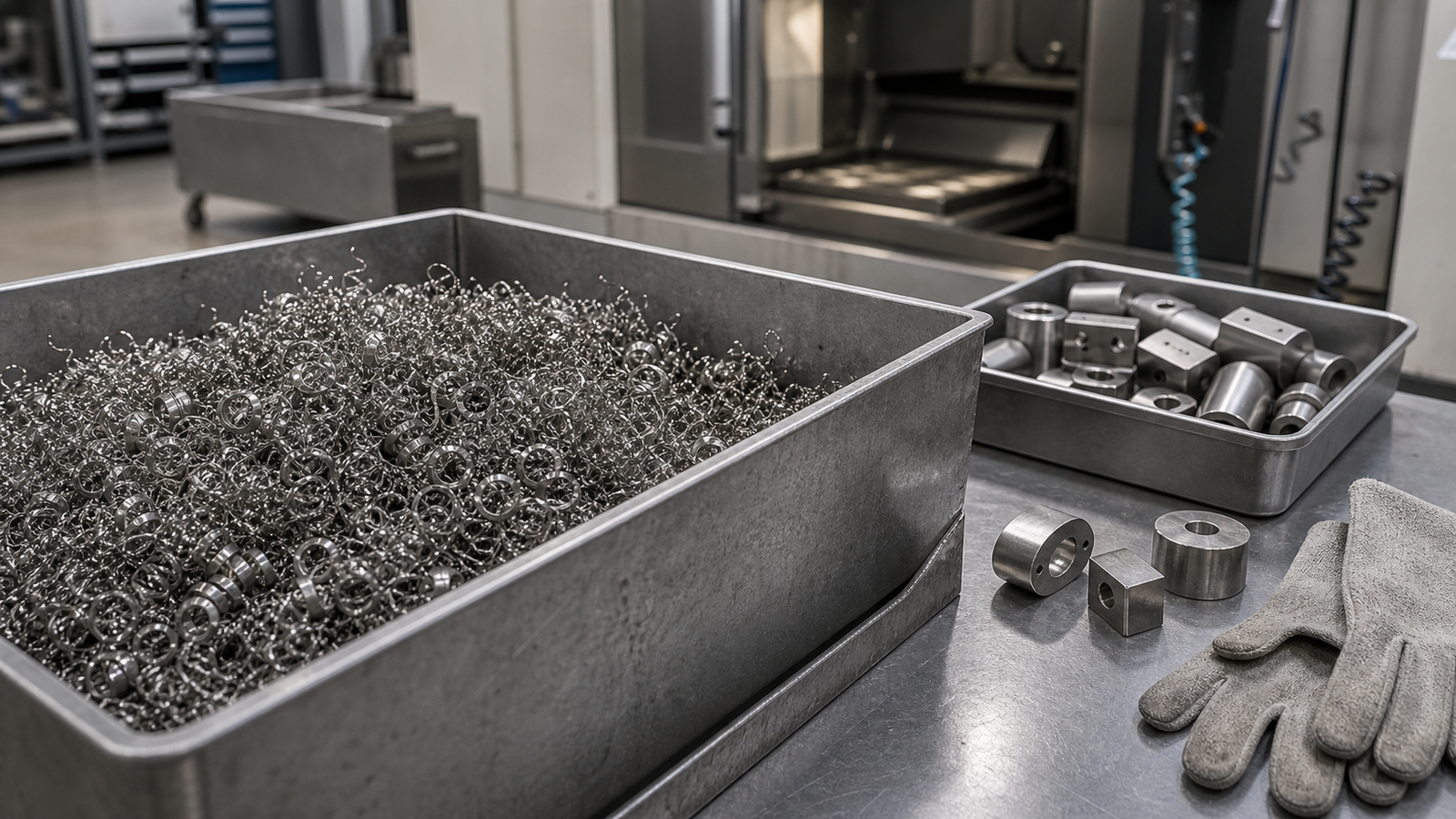
Good recycling starts with separation. Titanium chips should not be mixed casually with steel, aluminum, copper, grinding dust, or unknown alloys. Grade separation matters too, especially when high-performance alloys are involved.
Once grades are mixed, the recycling value can drop because chemistry becomes uncertain. Simple habits help: labeled bins, clear operator training, dry storage, and separate handling for turnings, solids, and contaminated scrap. These steps are not glamorous, but they protect the material's future usefulness.
Titanium recycling often depends on the ability to return material to a controlled melting process. Clean scrap can serve more efficiently because its chemistry is easier to understand. Contaminated scrap may require additional processing or may be downgraded.
Oils, cutting fluids, moisture, and foreign particles all complicate the path back into high-quality material. That is why responsible manufacturers treat scrap as a material stream rather than a trash stream. The cleaner the stream, the better the options.
Recycling titanium reduces the need to rely entirely on newly produced primary material. Because primary titanium production is energy-intensive, improving recovery and reuse can lower the broader environmental footprint of titanium products.
But the sustainability case should stay honest. Recycling still requires collection, sorting, transport, preparation, and remelting. The goal is not to pretend the process is free of impact. The goal is to make better use of material that has already required significant resources to produce.
Controlling Scrap Quality: Sorting, Cleanliness, and Traceability
The best scrap strategy is not only recycling more. It is wasting less from the beginning. Engineers and buyers can reduce waste by choosing sensible dimensions, allowing appropriate machining stock, optimizing nesting for sheet or plate, and reviewing whether a near-net-shape forging or custom blank can reduce removal volume.
Procurement also plays a role. Clear tolerances and realistic specifications help avoid rejected material. When quality requirements are understood before production, fewer parts end up as scrap for preventable reasons.
Titanium supply chains can be sensitive to availability, lead time, and price movement. Recycling does not solve every supply challenge, but it adds resilience. A manufacturer that tracks scrap carefully understands its material flow better. That knowledge can support cost control, compliance, and customer conversations about responsible sourcing.
In competitive markets, this transparency can become an advantage. Buyers increasingly want materials that are not only technically reliable, but also responsibly managed.
Clean Scrap Has More Value
Titanium scrap is not the end of a material's story. With clean separation, careful handling, and thoughtful design, chips and offcuts can become part of a smarter manufacturing cycle.
The lesson is simple: when a material is valuable, durable, and energy-intensive to make, wasting it carelessly makes little sense. Titanium recycling turns that common sense into a practical strategy.
Not all titanium scrap is equal. Solid offcuts, sheet skeletons, bar ends, forging flash, clean turnings, mixed chips, and contaminated grinding waste all have different recovery value. The cleaner and more traceable the scrap stream, the easier it is to return the material to useful production. Mixed scrap may still have value, but uncertainty reduces options.
Manufacturers that work with titanium should treat scrap categories intentionally. Separate commercially pure titanium from alloyed titanium. Keep high-value alloys apart. Avoid mixing titanium with steel, aluminum, copper, abrasive dust, or unknown materials. Simple separation habits can preserve significant value over time.
Traceability Protects Recovery
Titanium machining creates chips that may carry cutting fluids, moisture, and fine particles. If these chips are collected carelessly, they become harder to recycle. Clean bins, draining procedures, and clear labeling make recovery more efficient. Shops that machine multiple metals should train operators to protect titanium scrap from cross-contamination.
This is not only an environmental measure. It is also a shop-floor discipline. A factory that controls scrap well often controls production well. Material flow, labeling, and cleanliness are signs of a mature operation.
Titanium is expensive enough that scrap should be part of cost planning. When a part requires heavy machining from oversized stock, the removed material is not simply waste. It is a cost center that should be tracked. In some cases, near-net-shape forging, better nesting, smarter cutting plans, or revised tolerances can reduce the amount of titanium converted into chips.
Engineers and purchasing teams can work together here. If a drawing specifies unnecessarily tight tolerances or excessive machining allowance, it may increase scrap without improving performance. Sustainable manufacturing often begins with better design decisions.
Reducing Waste Before Recycling Begins
Recycling should never compromise critical material quality. Aerospace, medical, chemical, and pressure-related applications require strict control over chemistry, traceability, and mechanical properties. Recycled input must be managed through qualified processes, not treated casually as a shortcut.
The right goal is responsible recovery within a controlled system. Clean titanium scrap can support future production when properly sorted, documented, and processed. Contaminated or unknown scrap should not be forced into applications where chemistry and reliability are essential.
More buyers now ask how materials are sourced, how waste is handled, and whether manufacturers can support sustainability goals. Titanium recycling gives suppliers a practical story to tell, especially when it is backed by real procedures rather than vague claims.
A manufacturer can explain how scrap is separated by grade, how offcuts are stored, how machining chips are collected, and how usable remnants are reviewed before new material is purchased. This kind of transparency does not need to sound like marketing. It sounds like competence.
Swarf Needs Control
As titanium demand grows in energy, medical, aerospace, marine, and consumer applications, material efficiency becomes more important. Companies that recover scrap effectively may reduce waste, improve margins, and strengthen customer confidence. They may also become more resilient when raw material prices move or lead times become uncertain.
The advantage is not only in selling scrap. It is in understanding material flow. When a factory knows where titanium is lost, it can redesign processes to lose less. That knowledge is a quiet but powerful form of competitiveness.
Titanium scrap is not an afterthought. It is valuable material in a temporary form. With clean separation, smart machining, careful documentation, and practical design review, scrap can become part of a stronger manufacturing strategy.
The best recycling mindset is simple: titanium required too much effort to make to be wasted carelessly. Even as chips, offcuts, and swarf, it still has work to do.
Offcuts Can Stay Useful
Recycling is important, but waste reduction begins before scrap exists. Cutting plans, nesting layouts, machining allowance, near-net-shape blanks, and order dimensions all influence how much titanium becomes chips or offcuts. A thoughtful plan can reduce waste without changing the final product.
This is especially valuable for plate, sheet, and bar projects. If a buyer can accept a slightly different blank size, or if several parts can be nested together, material utilization may improve. Engineers, purchasing teams, and suppliers should discuss these opportunities early rather than treating scrap as unavoidable.
High-quality manufacturers often track titanium by grade and heat number during production. That same discipline can improve recycling. If offcuts are traceable, they may be reused for smaller parts or returned to a more valuable recycling stream. If all remnants are mixed together, much of that value is lost.
Traceability does not need to be complicated for every shop. Labeled bins, batch cards, and simple digital records can make a difference. The important point is to treat titanium remnants as material inventory until they are no longer usable.
Business Value: Cost Control, Reporting, and Supplier Discipline
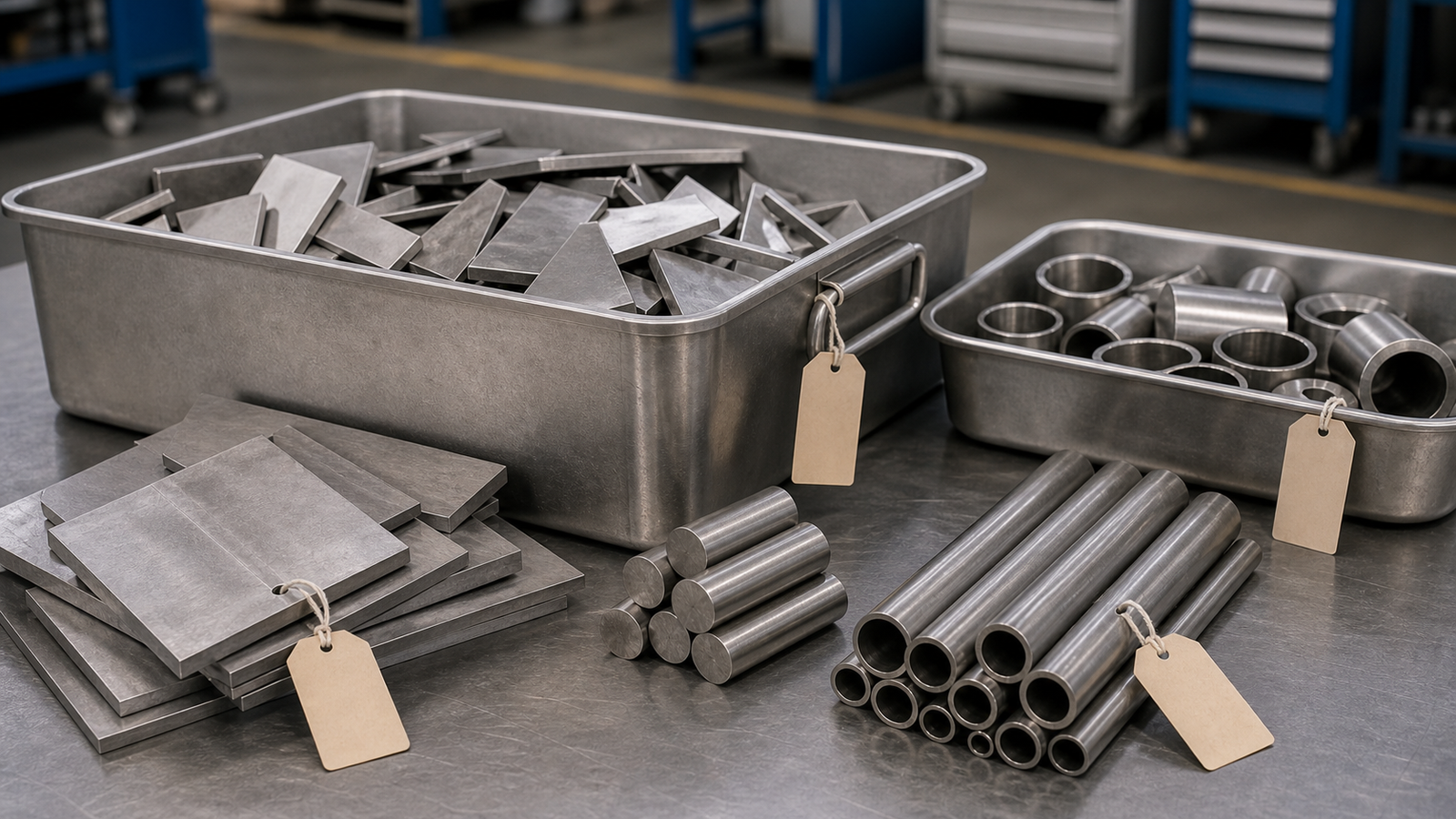
Before titanium becomes scrap for remelting, some offcuts can be reused directly. Small plates, bar ends, and tube remnants may be suitable for test pieces, fixtures, prototypes, washers, small machined components, or sample parts. Direct reuse often preserves more value than recycling because it avoids additional processing.
Of course, reuse must respect grade, traceability, and quality requirements. Critical parts should not be made from unknown remnants. But when the material is identified and the application is appropriate, reuse can reduce purchasing and waste at the same time.
Titanium scrap loses value when contaminated with other metals, cutting fluids, abrasive dust, or unknown alloys. Even small amounts of contamination can complicate recycling because titanium chemistry must be controlled carefully. Shops should avoid sweeping mixed metal chips into the same container or storing titanium scrap where it collects debris.
Dry storage, dedicated containers, and operator training are practical steps. The goal is not perfection for its own sake. The goal is to keep valuable material from becoming low-grade waste because of careless handling.
Recycling Starts in Planning
Some customers increasingly ask about recycled content, carbon footprint, and waste management. Titanium suppliers should answer carefully. It is better to describe real practices than to make vague sustainability claims. Explain how scrap is separated, how offcuts are reused, and how recycling partners work.
If recycled material serves in production, it must still meet the required chemistry, mechanical properties, and standards. Sustainability does not replace quality control. In responsible manufacturing, the two support each other.
Because titanium is valuable, recovery can affect margins. A shop that tracks scrap well may better understand true job cost. Heavy machining jobs may look profitable until the value of removed material is considered. Conversely, a strong scrap recovery process can offset part of that cost.
Managers should review scrap rates by product type, machine, and process. If one part consistently produces excessive waste, it may be worth redesigning the blank, changing the manufacturing route, or discussing tolerance adjustments with the customer. Data turns scrap from a nuisance into a source of improvement.
Supplier Habits Matter
Titanium is durable, energy-intensive to produce, and valuable in many forms. That makes it a natural candidate for circular thinking. The goal is not only to recycle at the end, but to design, cut, machine, sort, reuse, and recover material intelligently throughout the process.
When manufacturers treat titanium scrap as part of the production system rather than a leftover, they reduce waste and strengthen their business. The material deserves that level of care.
Many factories think of scrap only as material to sell by weight. In titanium manufacturing, internal reuse may be more valuable. A clean offcut from one job may become a test coupon, a small bracket, a washer blank, or a prototype part for another job. This reduces purchasing needs and preserves more value than sending everything directly to recycling.
To make reuse work, the factory needs organization. Offcuts should be labeled by grade and size, stored safely, and reviewed before new material is ordered. Without that discipline, useful remnants disappear into mixed scrap bins.
Conclusion: Circular Thinking Fits Titanium
Simple digital tracking can help manufacturers understand where titanium is lost. Recording input weight, finished part weight, scrap type, and recoverable remnants provides a clearer view of process efficiency. Over time, this data can reveal which products produce excessive waste and which processes should be improved.
The goal is not to create paperwork for its own sake. The goal is to make material decisions visible. Titanium is too valuable to manage by memory alone.
Recycling works better when manufacturers cooperate with reliable partners. A good recycling partner understands titanium grades, contamination risk, packaging, transport, and documentation. They may also advise on sorting practices that improve value.
For buyers who care about responsible sourcing, these partnerships can become part of supplier evaluation. A titanium manufacturer that controls scrap well demonstrates respect for both material and process. That discipline often reflects broader quality culture.
From Waste to Material Strategy
Scrap control depends on operators as much as managers. The people cutting, turning, milling, and sorting titanium need clear instructions: which bin to use, how to keep grades separate, when to drain chips, and who to ask when material identity is uncertain. Simple training can preserve significant value.
Visual labels, color-coded containers, and short checklists help reduce mistakes. The goal is not to slow production. The goal is to make the correct action obvious during normal work.
Manufacturers should be careful when reporting sustainability. Instead of vague claims, they can provide evidence: scrap separation procedures, recycling partner information, reuse examples, and internal material utilization improvements. Buyers increasingly prefer specific practices over broad promises.
This evidence-based approach fits titanium well. The material already has a story of durability and high value. Responsible scrap handling adds another layer of credibility to that story.
Make Recovery Part of Production
When reviewing a titanium part for production, teams should discuss not only how to make the part, but also what material will be removed. If most of the purchased block becomes chips, there may be a better starting form. Forging, plate cutting, tube selection, or revised dimensions may reduce waste before machining begins.
This discussion links engineering, purchasing, and sustainability. The most responsible titanium scrap is the scrap that never had to be created, provided the final part still meets its performance requirements.
For management teams, titanium scrap should appear in process reviews, not only in waste reports. Tracking where material is lost can reveal design, purchasing, and machining improvements. Over time, better scrap control becomes both a sustainability practice and a cost discipline.
For factories, the best results come when scrap reduction is treated as everyone's responsibility. Engineers reduce excess stock, buyers order smarter sizes, machinists protect clean chips, and managers track the numbers. Titanium recycling becomes stronger when every step respects the value of the material.
That mindset turns scrap from a disposal problem into a source of knowledge about how the factory buys, designs, machines, and improves.
For buyers, this discipline signals a supplier that treats titanium as a strategic resource, not just inventory.
It also helps customers see responsibility in the daily details of production.
Share this article

Written by : Young Things Metal Co,LTD
Follow us
Latest articles
October 10, 2026

October 10, 2026