There is a particular kind of rider who does not choose a bicycle only for speed. They choose it for the way it feels after the first hour, the rough road home, and the quiet confidence that the frame will still be there years later. For that rider, titanium has never really gone out of style.
Carbon fiber dominates the language of racing. Aluminum often wins on price. Steel carries a familiar romance. Titanium sits in a different place: less dramatic, less trendy, and often more difficult to explain in a single slogan. Its value is found in the long ride, where comfort, fatigue resistance, corrosion behavior, and repairability begin to matter more than showroom numbers.
Why Titanium Still Matters for Serious Riders
There is a particular kind of rider who does not choose a bicycle only for speed. They choose it for the way it feels after the first hour, the rough road home, and the quiet confidence that the frame will still be there years later. For that rider, titanium has never really gone out of style.
Carbon fiber dominates the language of racing. Aluminum often wins on price. Steel carries a familiar romance. Titanium sits in a different place: less dramatic, less trendy, and often more difficult to explain in a single slogan. Its value is found in the long ride, where comfort, fatigue resistance, corrosion behavior, and repairability begin to matter more than showroom numbers.
Most discussions about bike materials begin with weight, but weight alone rarely tells the whole story. Titanium has a high strength-to-weight ratio, so a well-designed frame can be light without feeling fragile. At the same time, titanium has a natural elasticity that helps soften road vibration without making the ride vague.
Fit and Ride Feel
On a smooth test loop, the difference may feel small. On a long day with rough pavement, gravel washboard, or loaded bags, that small difference can become meaningful. Less harshness often means less fatigue, and less fatigue changes how far a rider wants to go.
A bicycle frame is tested thousands of times by repeated pedaling, braking, cornering, vibration, impact, and weather. Every curb, pothole, rack mount, and loaded climb adds another small stress cycle. Titanium performs well under fatigue when it is properly selected, formed, and welded.
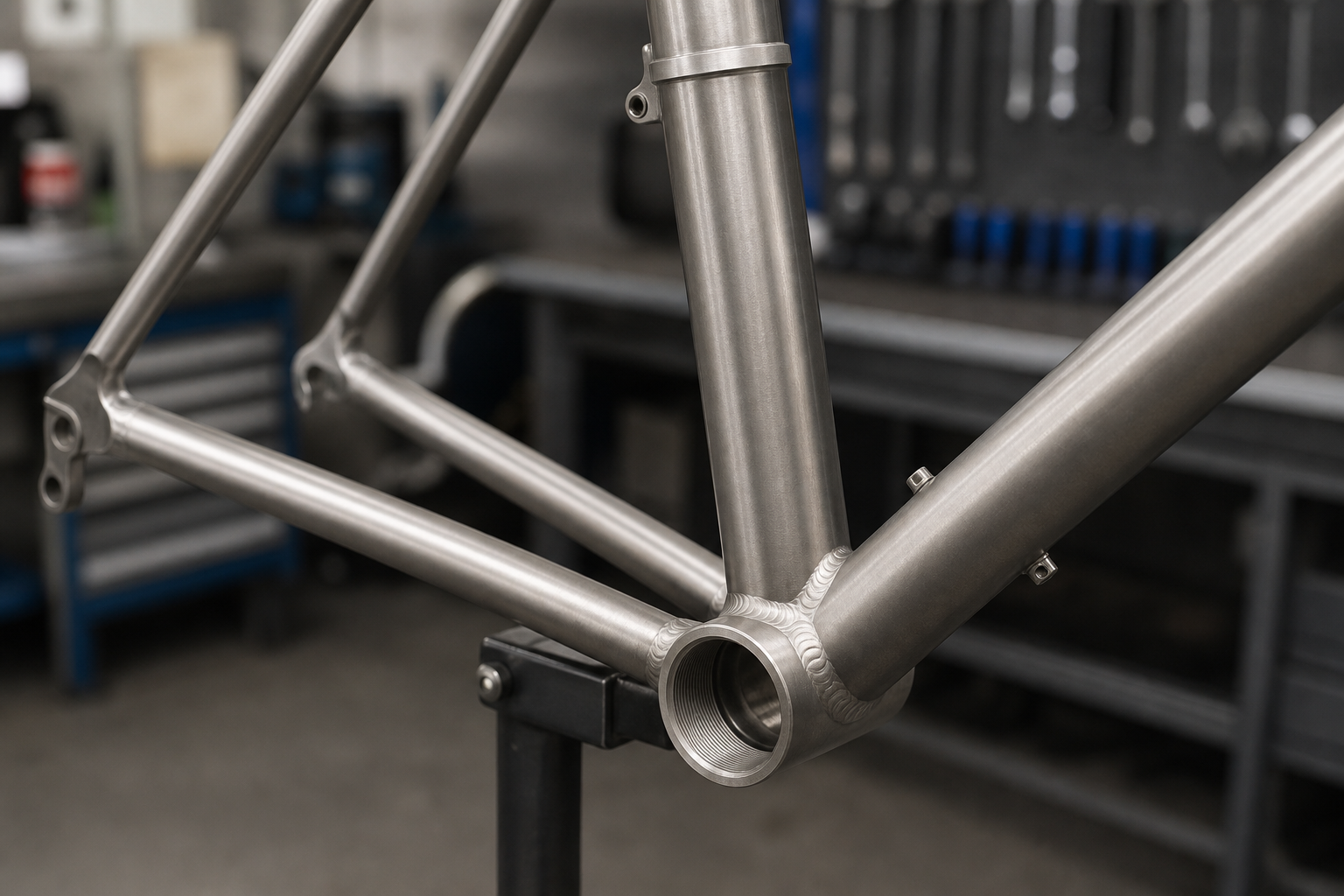
The material itself is only part of the story. Tube quality, wall thickness, joint design, welding protection, and inspection all influence the final frame. A good titanium frame is not simply a collection of tubes. It is a controlled manufacturing process.
Many bicycles do not live gentle lives. They are stored in garages, ridden through winter slush, carried on salty coastal roads, and covered in sweat during summer climbs. Over time, corrosion can be a quiet enemy.
Titanium forms a stable oxide layer that protects the surface from many corrosive environments. It does not rust like ordinary steel, and it does not rely on paint as its first line of defense. A brushed titanium frame can show marks from use, but those marks often become part of the frame's character rather than signs of structural decline.
The Real-World Benefits: Comfort, Corrosion Resistance, and Longevity
Modern cycling culture can move quickly from one product cycle to the next. Titanium offers a slower argument: buy carefully, maintain simply, and keep the frame in service for a long time. When damage does occur, titanium frames can often be evaluated and repaired by qualified specialists.
This does not make every accident simple, but it gives the material a practical advantage for riders who want a frame that can cross seasons, climates, and years without becoming a disposable object.
The appeal of titanium is not loud. It offers resilience, comfort, corrosion resistance, and a kind of long-term honesty that fits the way many people actually ride. For cyclists who keep going, titanium remains one of the most thoughtful choices in the workshop.
A titanium frame succeeds when the material and the design work together. Tube diameter, wall thickness, butting profile, weld quality, alignment, dropouts, and mounting points all influence how the bicycle feels. A frame made from a premium alloy can still disappoint if the geometry is wrong for the rider or if the fabrication is careless. This is why experienced builders talk less about titanium as a miracle material and more about titanium as a platform for thoughtful design.
Corrosion in Daily Use
For long-distance road riding, designers may choose slightly smaller tubes or specific wall profiles to preserve comfort over rough surfaces. For gravel and bikepacking, they may reinforce load areas, add rack and fender mounts, and provide more tire clearance. For commuters, durability around cable routing, bottle bosses, and threaded inserts becomes important. The same metal can serve different riders, but only when the frame is designed around the job it needs to do.
Anyone comparing titanium bicycle frames should look beyond the headline material. Ask which alloy serves, whether the tubes are seamless or welded, how the frame is heat treated if applicable, and what inspection steps are performed after welding. Clean, consistent welds are not only attractive; they indicate controlled shielding and careful workmanship. Poor shielding can contaminate titanium during welding, reducing the reliability that made the material attractive in the first place.
Welds and Tube Choice
It is also worth checking the practical details: bottom bracket standard, headset type, derailleur hanger availability, tire clearance, rack mounts, brake mount quality, and whether replacement small parts will be available in the future. A frame meant to last many years should not depend on proprietary details that disappear after one product cycle.
Titanium is low-maintenance, not maintenance-free. Riders should still clean the frame after salty winter rides, inspect welds and high-load areas, and use appropriate anti-seize compound on threaded parts where titanium or stainless hardware may be involved. Small habits prevent avoidable problems such as seized bolts, creaking interfaces, or dirt trapped around mounts.
The good news is that titanium does not require paint to survive ordinary weather. Many owners prefer a brushed finish because scuffs can often be blended more easily than chips in painted frames. Over time, the frame develops a used but honest character. It looks like a tool that has traveled rather than an object that has failed.
What Buyers and Brands Should Check Before Choosing a Frame
An honest recommendation includes limits. Titanium may not be ideal for riders who need the absolute lowest race weight, the stiffest possible sprint platform, or the lowest initial cost. Carbon fiber, aluminum, and steel all have places where they make excellent sense. The point is not that titanium wins every comparison. The point is that it occupies a rare middle ground: light enough for performance, strong enough for demanding use, comfortable enough for long days, and resistant enough for real weather.
For riders who measure value across seasons rather than single events, that middle ground is powerful. A titanium bicycle frame is not simply bought for the first ride. It is bought for the tenth year, the second wheelset, the changed commute, the unexpected gravel route, and the trips that were not planned when the frame was new.
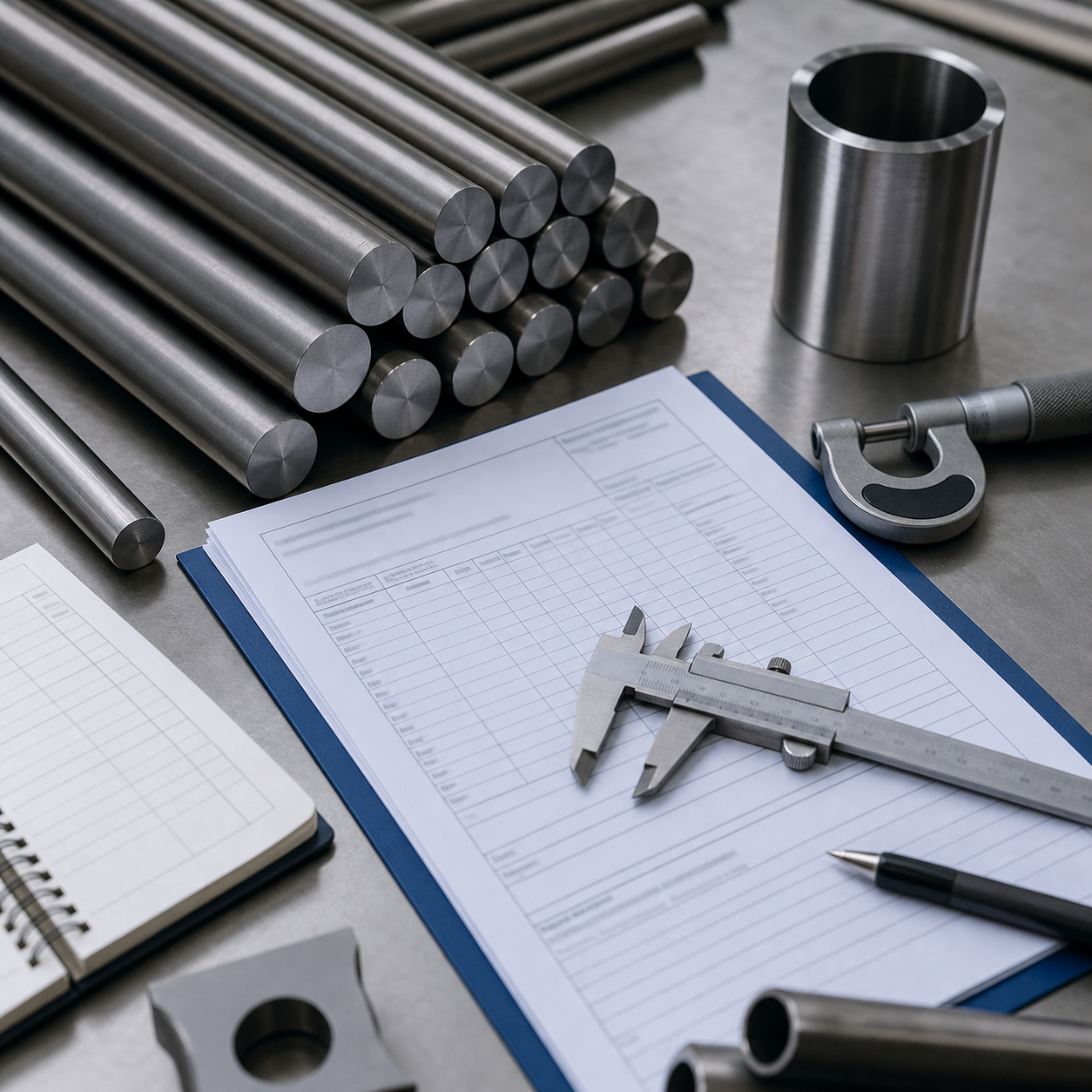
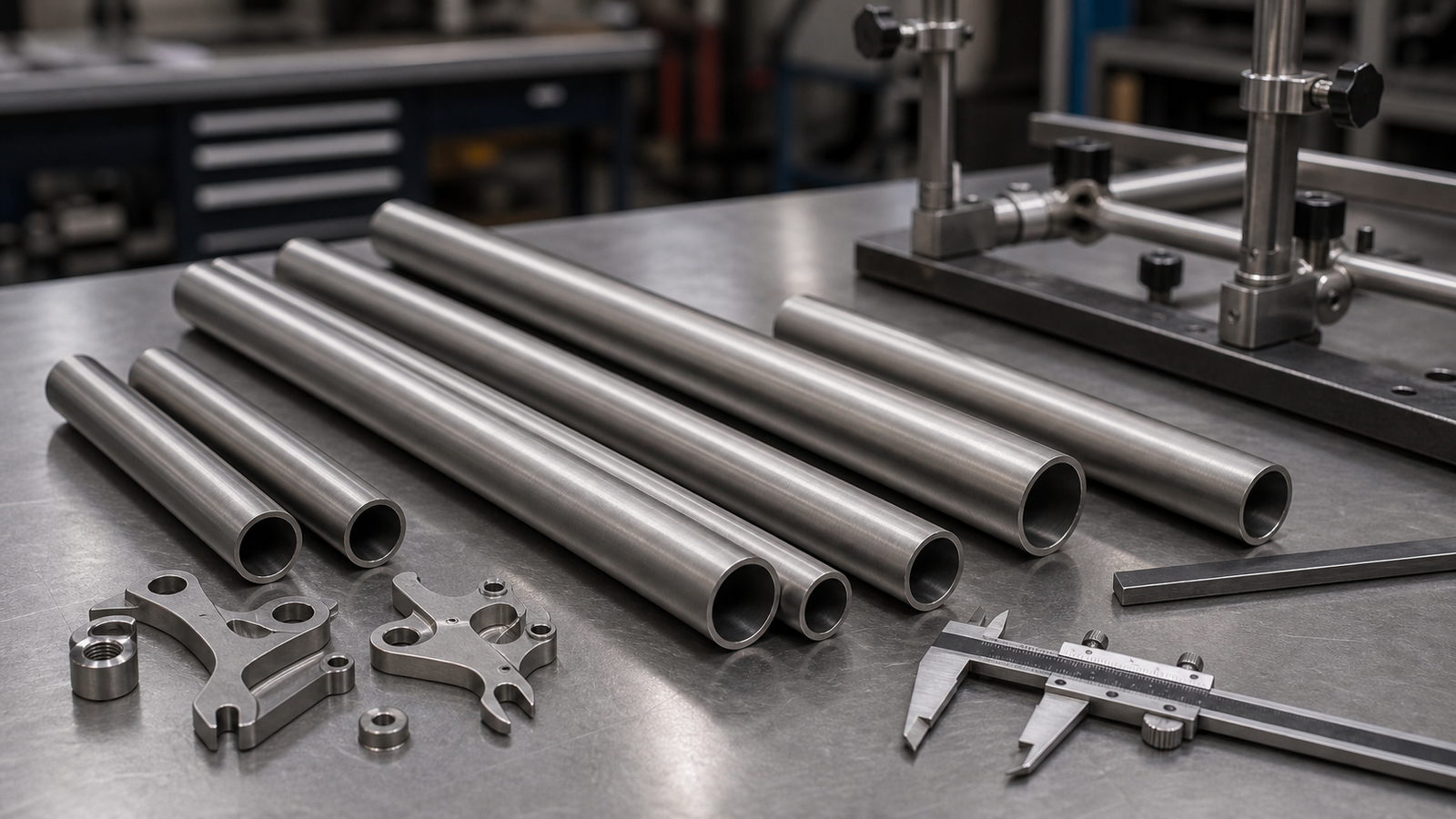
For brands or workshops sourcing titanium frame parts, supply quality deserves the same attention as frame geometry. Tubes, dropouts, fasteners, and small machined parts should arrive with stable dimensions, clean surfaces, and traceable material information. A beautiful frame design can lose its advantage if the raw components vary from batch to batch.
What Builders Should Confirm
This is especially true for custom builders and small production runs, where rework quickly consumes time. Reliable titanium sourcing helps keep welding, finishing, and assembly predictable. In a market where riders expect both performance and longevity, consistency behind the scenes becomes part of the final riding experience.
One reason titanium frames inspire so much discussion is that ride quality is difficult to reduce to a single number. A laboratory can measure stiffness, weight, tensile strength, and fatigue behavior, but the rider experiences the whole system: frame, fork, wheels, tires, saddle, handlebar, fit, load, and road surface. Titanium contributes to that system through its elasticity and strength, but it works best when the rest of the bicycle makes sense with the same intention.
This is why two titanium bicycles can feel very different. A race-oriented frame with oversized tubes may feel crisp and direct. A touring frame with different geometry and tire clearance may feel calmer under load. A gravel frame may prioritize stability on loose surfaces. The material is not a shortcut around design; it is a material that gives skilled designers room to balance comfort and control.
Where the Material Helps
On a short test ride, many materials can feel impressive. The difference appears after hours of repeated vibration. Hands, shoulders, neck, and lower back begin to notice whether the frame and components are filtering roughness or feeding every sharp edge into the rider. Titanium's reputation comes from this accumulated comfort. It is not soft in a lazy way; it is composed.
For endurance cyclists, that comfort can become performance. A rider who is less fatigued late in the day can hold form longer, descend with more confidence, and recover more easily for the next ride. This is especially important for older riders, commuters on rough roads, and bikepackers who spend several consecutive days in the saddle.
A frame that feels excellent unloaded may behave differently with bags, racks, bottles, and tools. Titanium is useful for loaded riding because it can combine low weight with strength, but the frame still needs correct mount placement and reinforcement. Rack bosses, cargo mounts, fender mounts, and bottle bosses should be designed for real use, not added only for marketing.
Where Tradeoffs Remain
Bikepacking and touring also introduce practical concerns. Can the frame clear wider tires? Can it accept common replacement parts? Are the cable routes protected from bag straps? Is the finish easy to restore after abrasion? Titanium's durability is valuable here because travel exposes a bicycle to airports, vehicles, rough storage, weather, and field repairs.
Titanium welding requires clean preparation and proper shielding. When hot titanium is exposed to oxygen or nitrogen, contamination can reduce ductility and create weak areas. A reliable frame builder controls fit-up, cleaning, argon shielding, weld sequence, and inspection. The appearance of the weld is not the only proof of quality, but uneven or discolored welds can raise questions.
For buyers, this means the reputation of the builder or supplier matters. Ask about welding practice, inspection, alignment checks, and warranty support. Titanium frames are often bought for long ownership, so the relationship behind the product should feel as durable as the frame itself.
Where Titanium Fits, and Where It Does Not
A long-life frame deserves practical component choices. Extremely unusual bottom bracket systems, proprietary hangers, or difficult seatpost diameters may create problems years later. Titanium's lifespan can outlast trend cycles, so common standards are often a strength. They make the bicycle easier to maintain, upgrade, and repair.
This does not mean every traditional standard is automatically better. It means the decision should be deliberate. A frame intended for decades of use should not become obsolete because one small replacement part is unavailable. In long-term ownership, serviceability is part of performance.
Titanium's corrosion resistance is especially helpful for riders who do not live in perfect climates. Rain, sweat, road salt, coastal air, and muddy storage can punish bicycles. Paint chips on steel require attention. Some aluminum frames can suffer corrosion around joints or hidden areas. Carbon fiber avoids rust but brings different inspection concerns after impact.
A titanium frame reduces one major category of worry. It still needs care, but it does not ask the owner to panic over every scratch. For a commuter or traveler, that calmness matters. The bike is more likely to be used in bad weather because the owner trusts it to handle bad weather.
Conclusion: A Frame Built for Long-Term Ownership
Price can reflect material, labor, brand, customization, and finish, but the most expensive frame is not automatically the best choice. The right frame is the one that matches the rider's position, terrain, load, maintenance expectations, and budget. Some riders need custom geometry. Others are well served by a carefully designed standard frame.
Good buying decisions begin with honest use cases. A rider planning fast weekend road rides needs different priorities than a rider crossing mixed surfaces with luggage. Titanium can support both, but only if the specification is clear. The material rewards clarity.
Titanium bicycle frames make the most sense when cycling is viewed as a long conversation rather than a short purchase. They are not chosen only for weight, only for comfort, or only for corrosion resistance. They make sense because those qualities come together in a way that supports years of changing routes, weather, fitness, and riding goals.
Long-Term Ownership Checks
That is why titanium continues to matter. It gives riders a frame that can age with them, adapt with them, and remain useful long after the first excitement of a new bike has passed.
A bicycle frame that lasts longer also changes the environmental equation. Many sustainability conversations focus on whether a material can be recycled, but service life matters just as much. If one titanium frame can remain useful through several groupsets, multiple wheelsets, and many seasons of riding, it reduces the pressure to replace the largest and most difficult component of the bicycle.
This does not mean titanium has no environmental cost. Producing and processing titanium requires energy and skill. The argument is more balanced than that: a durable material becomes more responsible when it serves long enough to justify the resources behind it. Riders who repair, maintain, and keep a titanium frame are participating in a quieter version of sustainability.
A Practical Buying View
Before choosing a titanium frame supplier, buyers should ask practical questions. What alloy and tube set are being used? How are welds shielded and inspected? Are alignment checks performed after welding? What finish options are available, and how easy are they to maintain? Are small parts such as derailleur hangers, axles, and cable guides standardized?
For bicycle brands, consistency across production matters. A single beautiful sample is not enough. Batch-to-batch welding quality, finish consistency, packaging protection, and documentation all affect the final customer experience. Titanium is often sold as a premium material, so the supply chain behind it must behave like a premium supply chain.
The best titanium bicycle frame is not chosen because titanium sounds impressive. It makes sense because the rider has a clear need for comfort, corrosion resistance, repairability, and long service life. When those needs are real, titanium becomes a rational material, not an emotional indulgence.
What Long Ownership Really Rewards
For manufacturers and buyers, the same principle applies. Good design, stable sourcing, careful welding, and practical standards turn the material's promise into a frame that riders can trust for years.
For brands selling titanium bicycles, the clearest positioning is not speed alone. It is long-term confidence: a frame that handles weather, repeated travel, rough roads, changing components, and many seasons of ownership. Customers understand that story because it connects directly to how they use the bike.
Good product pages should explain geometry, tube choice, mounting points, finish care, and warranty support. When the material story is paired with practical details, titanium feels less mysterious and more trustworthy.
Share this article