In the vast, rugged landscape of Canada, the dream of homeownership is changing. Whether driven by the soaring costs of urban real estate or a deep-seated desire to live "off-grid" in the breathtaking wild of the North, more Canadians are turning toward the Tiny Home movement.
The truth is simple. In a tiny home, every gram and every centimeter matters more than ever. Our weather is a metal-killer. From deep freezes to salty roads, traditional builds fail. We need something more than "temporary."
If we want homes that last a century rather than a decade, we need to look upward. It’s time for the Canadian housing industry to borrow a few secrets from the folks at NASA. It’s time to talk about Titanium.
The Logistics of Gravity: Why "Light" Means "Possible"
Building a remote cabin or moving a modular home? You know the struggle. In Canada, weight is your greatest enemy. In the Canadian North, transport costs often exceed the cost of the materials themselves.
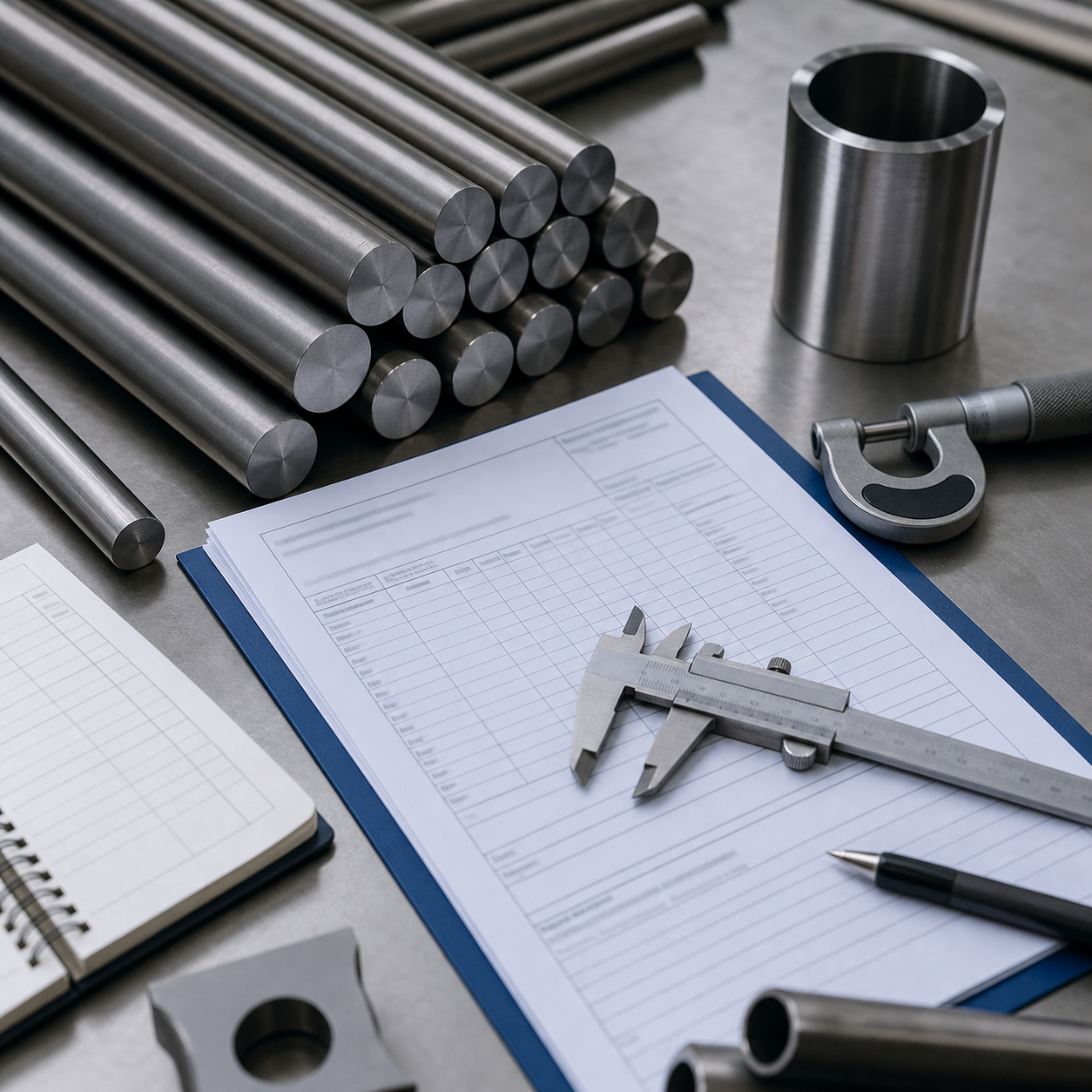
This is where the aerospace obsession with titanium becomes a housing solution. Titanium possesses the highest strength-to-weight ratio of any metal. By utilizing titanium fasteners, structural connectors, and ultra-thin cladding, builders can significantly slash the "logistical weight" of a home.
Imagine a modular build where the weight is reduced by 30%. Suddenly, you aren't just saving on fuel; you are making it possible to transport a high-quality home via smaller aircraft or across treacherous winter roads that would swallow a heavy steel-framed structure whole. In the world of tiny homes, lightness isn't a luxury—it’s the key to accessibility.
The "Forever" Metal: Defeating the Elements
Canada is a beautiful country, but it is chemically aggressive. Between the humid salt air of the Maritimes and the corrosive road spray used to clear our highways, traditional building materials are in a constant state of decay.
NASA uses titanium because it is virtually "immortal" in the face of corrosion. Unlike galvanized steel, which eventually succumbs to "tea staining" and structural pitting, titanium forms a self-healing oxide layer that is impervious to salt, moisture, and extreme pH levels.
For a tiny home—especially one built on a trailer—this is a game-changer. It means the critical mounting points, the roofing, and the structural bolts aren't just "weather-resistant"; they are weather-proof. When you build with titanium, you aren't building a structure that needs a major overhaul in twenty years. You are building a legacy that will remain structurally sound for the next century.
Space-Age Efficiency: The Thickness Paradox
In a 300-square-foot home, every inch of wall thickness is a trade-off between warmth and living space. Traditional insulation requires bulk to be effective. However, new innovations in titanium foils—similar to the heat shields used on spacecraft—are redefining thermal management.
Because titanium is so strong, it can be rolled into incredibly thin, durable foils that act as superior radiant barriers. When integrated into a wall system, these layers reflect heat back into the home during a Yukon winter while taking up a fraction of the space of traditional batts. It’s the ultimate "NASA secret": using advanced material science to keep the interior cozy without sacrificing precious floor space.
The New Canadian Heirloom
We often think of sustainability as "recycling," but the most sustainable thing we can do is build something that never needs to be replaced. The Canadian government’s push for "Net-Zero" housing by 2030 requires us to rethink the life cycle of our buildings. While the initial investment in titanium components is higher than traditional hardware, the return on investment is measured in decades of zero maintenance.
A titanium-reinforced home is a "generational" build. It is a home that can be moved, subjected to the harshest blizzards, and parked by the salty spray of the Atlantic, all while remaining as pristine as the day it was assembled.
Conclusion: A Small Home with a Big Future
The move toward tiny living shouldn't mean a move toward "cheap" living. As we redefine what it means to be a homeowner in Canada, we have the opportunity to build smarter, lighter, and longer.
By borrowing the material secrets of the space program, we can create homes that are as resilient as the people who live in them. After all, if titanium is good enough to survive the silent, freezing vacuum of orbit, it’s more than ready for a winter in the Great White North.
Would you trade a higher upfront cost for a home guaranteed to last 100 years? Let us know your thoughts on the "NASA-inspired" build in the comments below.
Share this article

Written by : Young Things Metal Co,LTD
Follow us
Table Of Content
Latest articles

October 12, 2026

October 12, 2026