It’s 7:00 AM on a Tuesday in mid-January. The temperature has plummeted to a bone-chilling -30°C, and a fresh layer of stubborn, wind-packed snow is blocking your path. You’re already running late, so you grab your trusted gear to clear some ice or pry open a frozen latch.
Then, you hear it.
Snap.
That sickening, metallic crack. One moment you were making progress; the next, you’re holding a broken handle or a jagged piece of metal. If this sounds familiar, you’ve fallen victim to a phenomenon scientists call "cold brittleness." But for most Canadians, we just call it "Tuesday."
In the Great White North, winter doesn't just test our patience—it tests the molecular limits of our equipment. However, there is one material that treats a polar vortex like a mild spring day: Titanium. Here is why this aerospace-grade metal is the silent hero of the deep freeze.
The Science of Why Traditional Metals "Give Up"
Most common metals are a lot like a bar of chocolate. At room temperature, they have a degree of "give" or ductility. But put that chocolate in the freezer for an hour, and it becomes brittle enough to shatter with a flick of your finger.
Traditional carbon steel and many aluminum alloys undergo what is known as a "ductile-to-brittle transition" when the mercury drops. Their atomic structure locks up, losing the ability to absorb impact or flex under pressure. When you apply force in extreme cold, these metals simply shatter instead of bending.
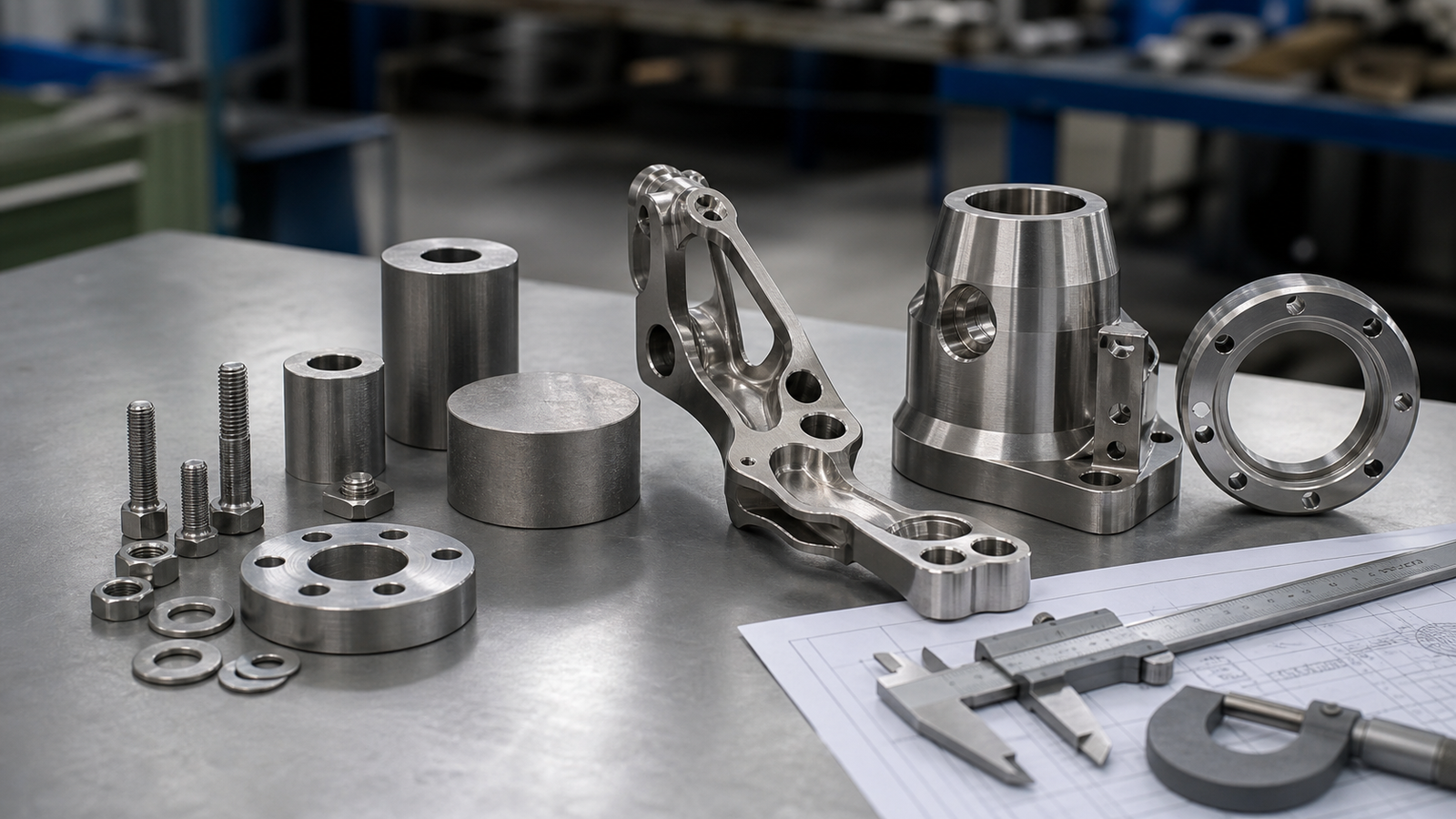
Titanium is the exception to the rule. Originally perfected to survive the vacuum of space and the high-stress environments of jet engines, titanium maintains its incredible toughness even at cryogenic temperatures. Its crystal structure remains stable and resilient, ensuring that it doesn't just survive the cold—it remains structurally identical to how it performs in mid-summer.
The "Bite" of the Cold: A Thermal Advantage
We’ve all experienced it: reaching out to grab a metal object in the dead of winter, only to feel like the material is trying to "bite" or even "peel" your skin.
Because steel and aluminum are excellent conductors of heat, they suck the warmth out of your hand instantly, creating that painful, sticking sensation. Titanium, however, has a significantly lower thermal conductivity. While it will still feel cold, it doesn't "steal" your body heat nearly as aggressively. This makes it far more comfortable to handle in sub-zero temperatures and reduces the risk of skin adhesion during critical tasks.
Defeating the Silent Killer: Road Salt and Corrosion
If the cold doesn’t break your gear, the salt usually will. Canada’s reliance on road salt is a necessity for safety, but it’s a death sentence for most metals. Even many "stainless" steels eventually develop pitting and structural weakening after repeated exposure to melting slush and salt.
Titanium is virtually immune to salt-water corrosion. It forms a passive, self-healing oxide layer that shields the metal from the harshest chemical environments. Whether it's buried in a snowbank or splashed with road brine, titanium remains chemically inert. It doesn't rust, it doesn't seize, and it never loses its integrity over time.
Conclusion: Peace of Mind in a Blizzard
In Canada, winter isn't something we can avoid—it’s something we navigate. We invest in the best winter tires and the warmest parkas because we know that quality equals safety. Our choice of materials should be no different.
Switching to titanium components isn't about buying a luxury; it's about choosing a material that refuses to compromise. It’s about the peace of mind that comes from knowing that when the temperature hits -40°C and everything else is snapping, your titanium essentials will be as ready for the challenge as you are.
What’s the most frustrating thing you’ve had break on you during a cold snap? Share your "winter fail" stories in the comments below!
Share this article

Written by : 钛合金网
Follow us
Table Of Content