1. Introduction — Why Titanium Recycling Matters More Than Ever
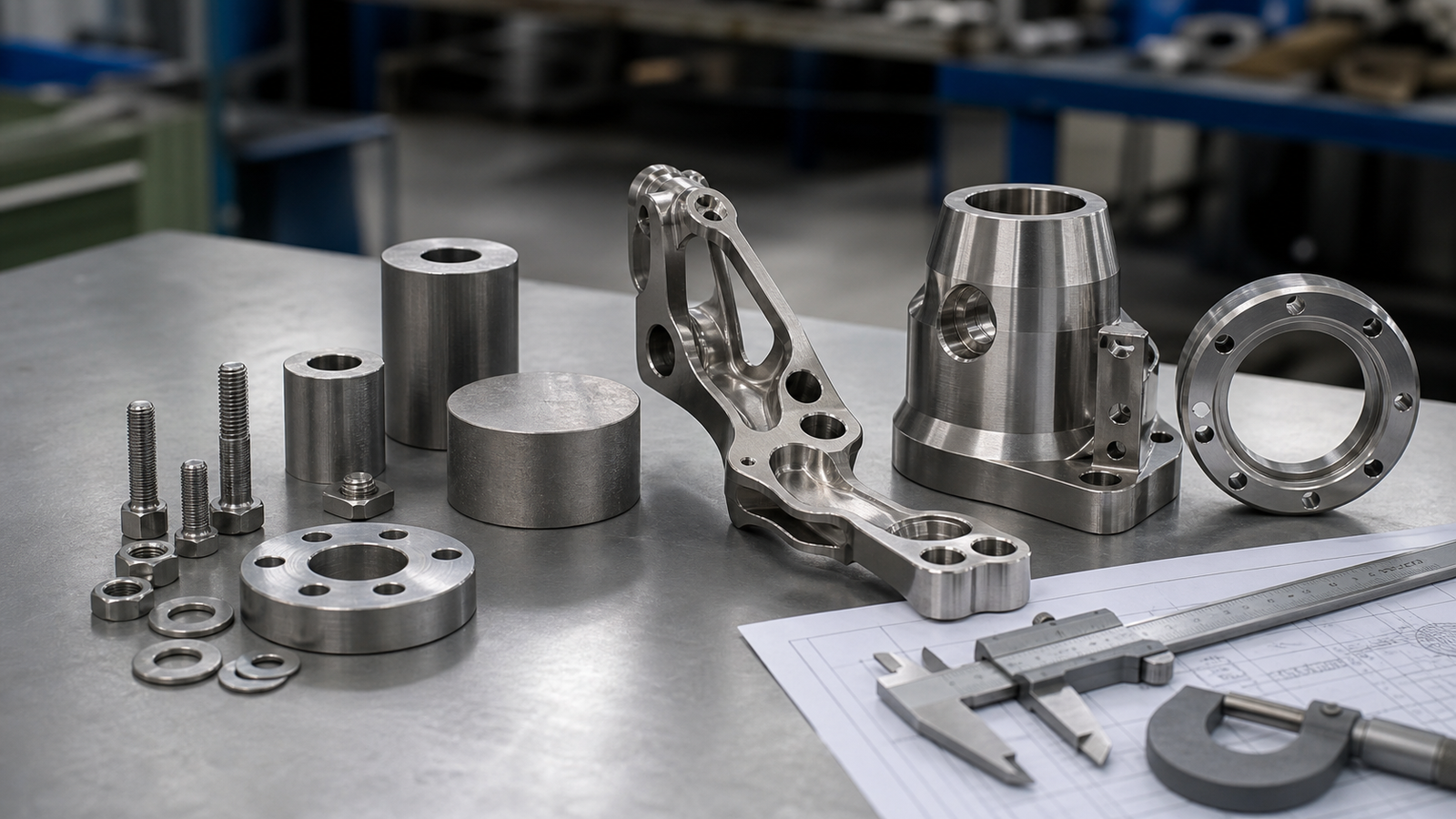
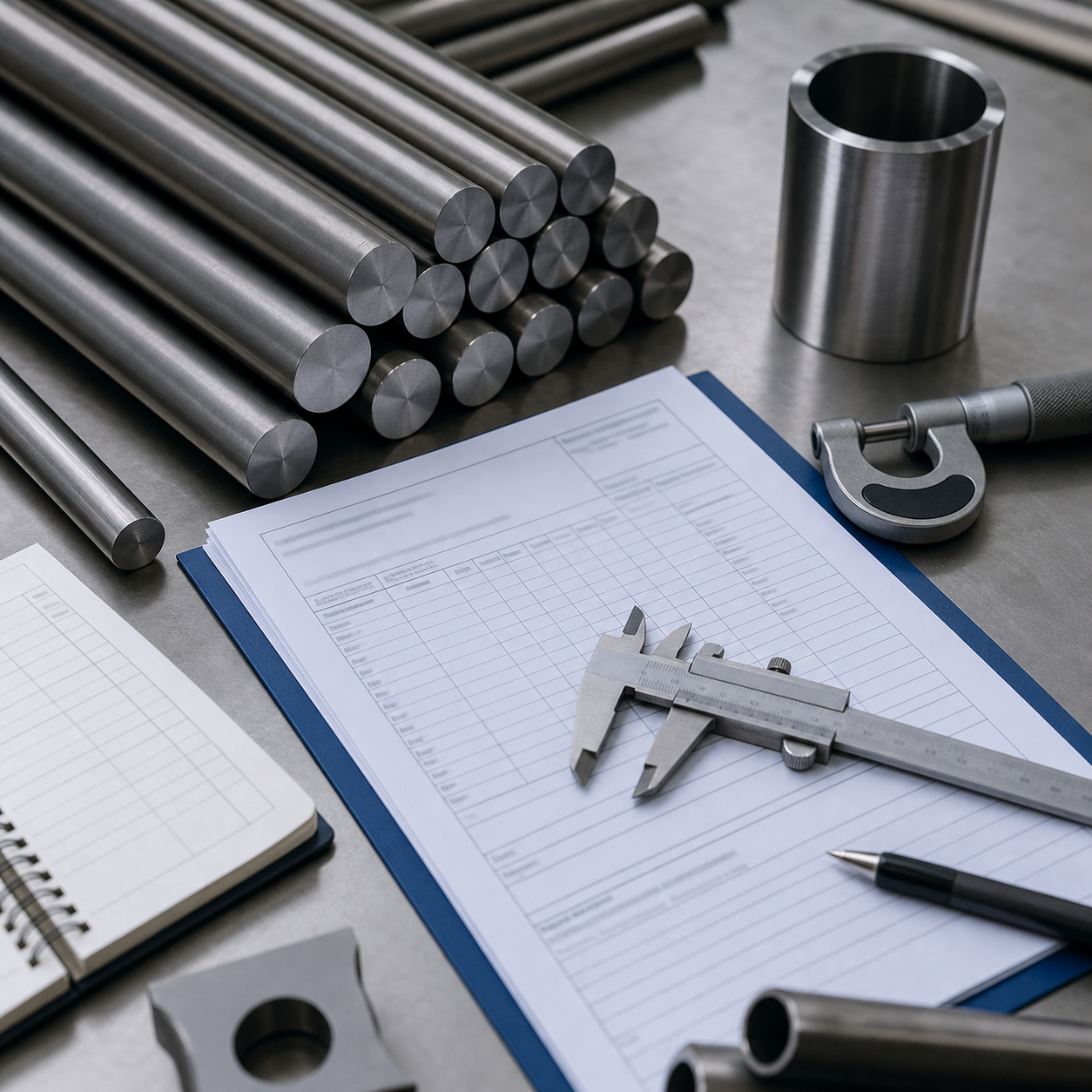
Titanium has long been regarded as one of the most capable engineering metals—strong, lightweight, corrosion-resistant, and able to survive environments that would damage ordinary alloys. Yet these qualities come with a cost. Producing titanium from ore requires energy-intensive chemistry and specialized equipment, making it one of the least resource-efficient materials to manufacture.
As industries shift toward sustainability and resource optimization, titanium sits at a crossroads. Recycling offers not only environmental benefits but also economic stability and supply-chain resilience. More importantly, it redefines titanium’s potential: the metal does not end its story as scrap—it begins a second life.
2. Where Titanium Waste Comes From — The Hidden By-products of Manufacturing
Although titanium parts often represent precision and performance, their manufacturing process creates surprising amounts of waste. A large forged block may lose more than half its volume during machining. Additive manufacturing leaves behind unused powder. Even finishing operations generate fine metallic dust or turnings.
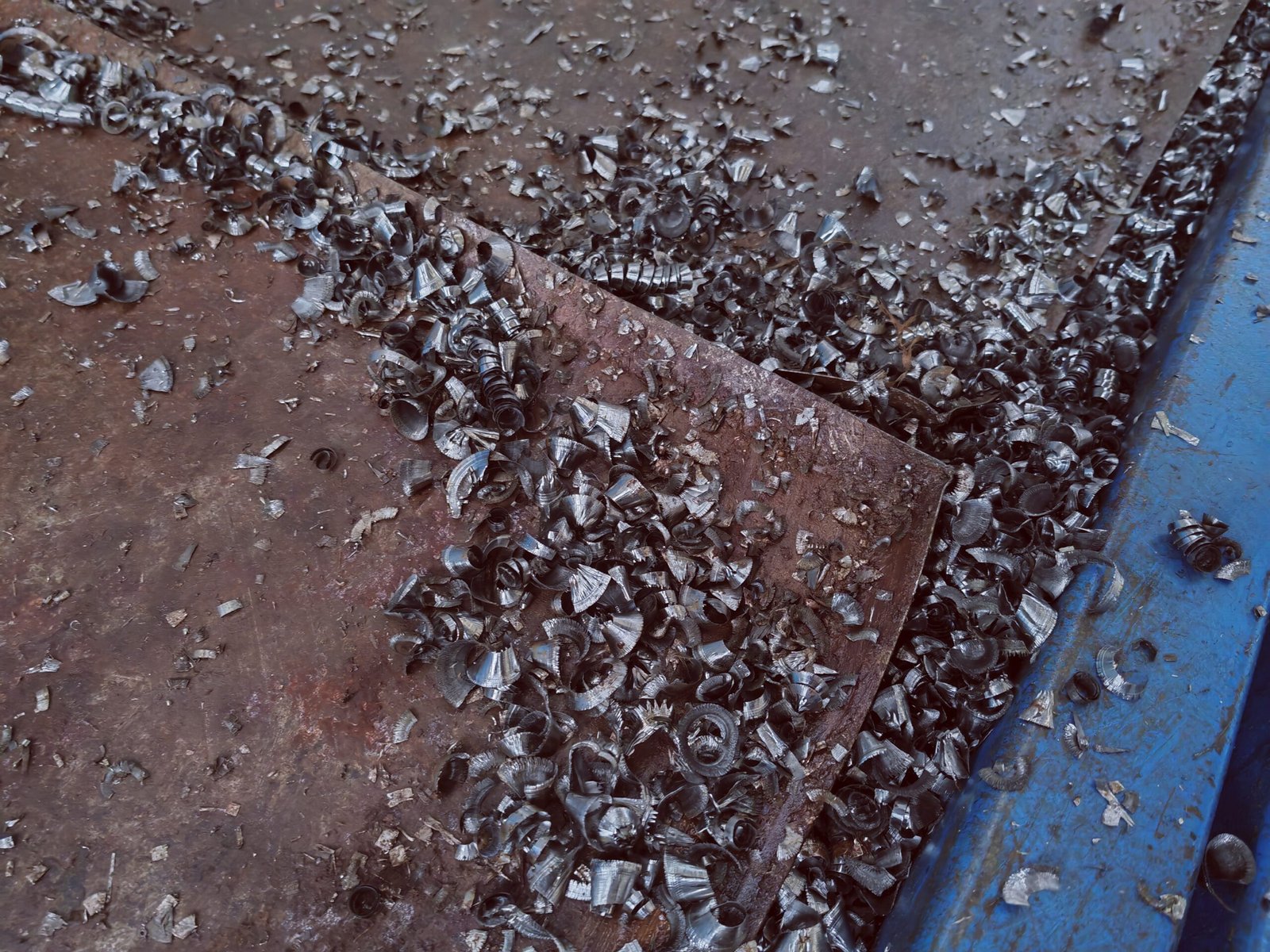
These waste streams commonly include:
- Offcuts from forging or plate cutting
- Machining chips and swarf
- Unused or out-of-spec 3D printing powder
- Retired or damaged titanium components
These materials may look like leftovers, but chemically, they still hold the same alloying elements that made the original titanium valuable. Instead of being discarded, they become important feedstock for recycling.
3. Types of Titanium Scrap — Why Classification Matters
Not all titanium scrap is created equal. Some forms are almost ready for re-melting, while others need extensive cleaning and sorting. Proper classification is the key to determining how each type will be recycled.
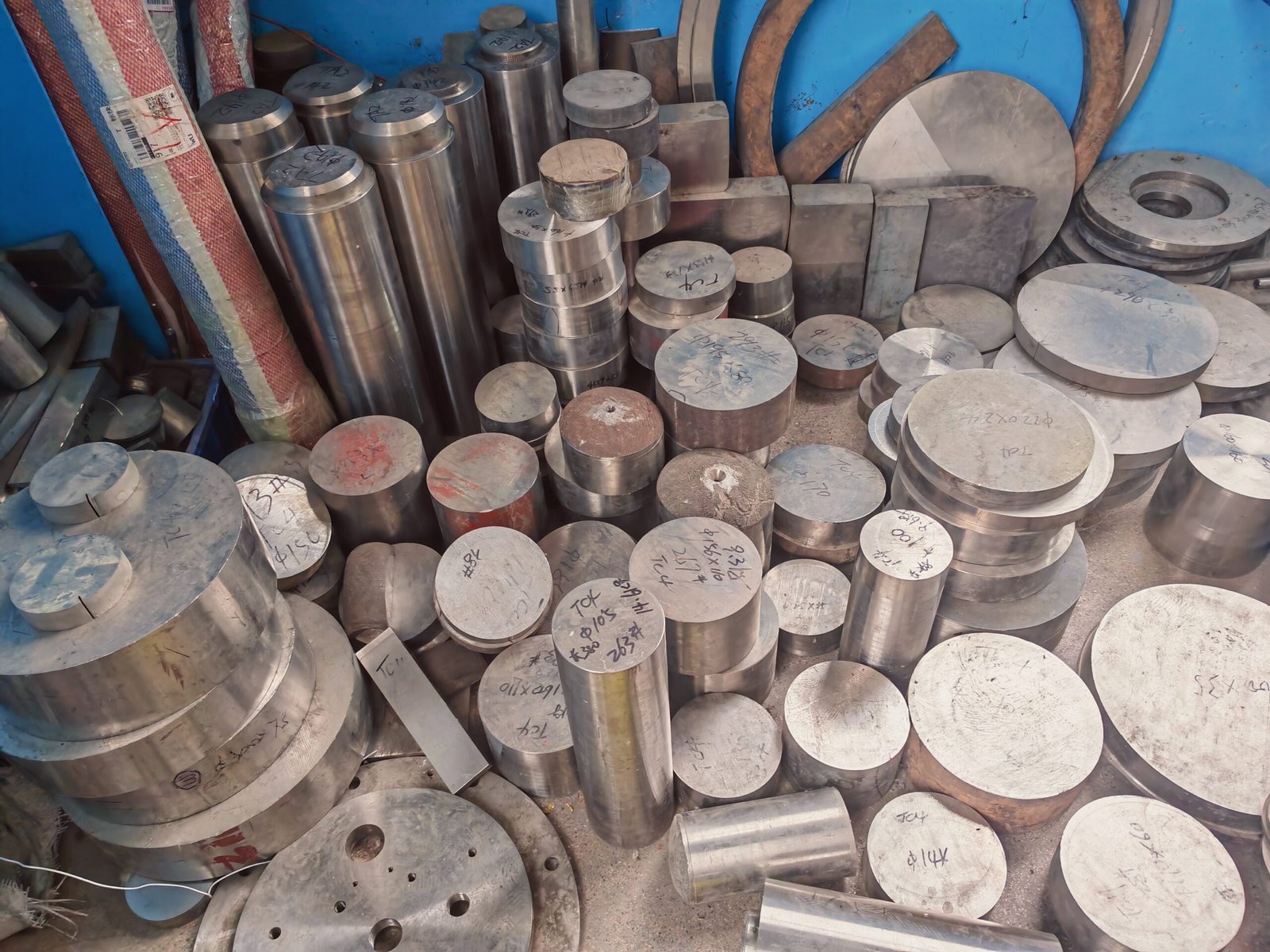
Typical categories include:
- High-purity machining chips — clean, predictable chemistry
- Mixed or contaminated chips — may contain oils or tool particles
- Solid scrap — plate edges, forged remnants, blocks
- Used component scrap — requiring alloy identification and decontamination
Classifying scrap ensures that the recycling process remains efficient and the final material meets performance requirements.
4. How Titanium Is Recycled — The Journey Back to High-Value Metal
Recycling titanium is not simply a matter of melting everything together. Because titanium readily reacts with oxygen and nitrogen at high temperatures, recyclers must take great care to manage contamination and maintain purity.
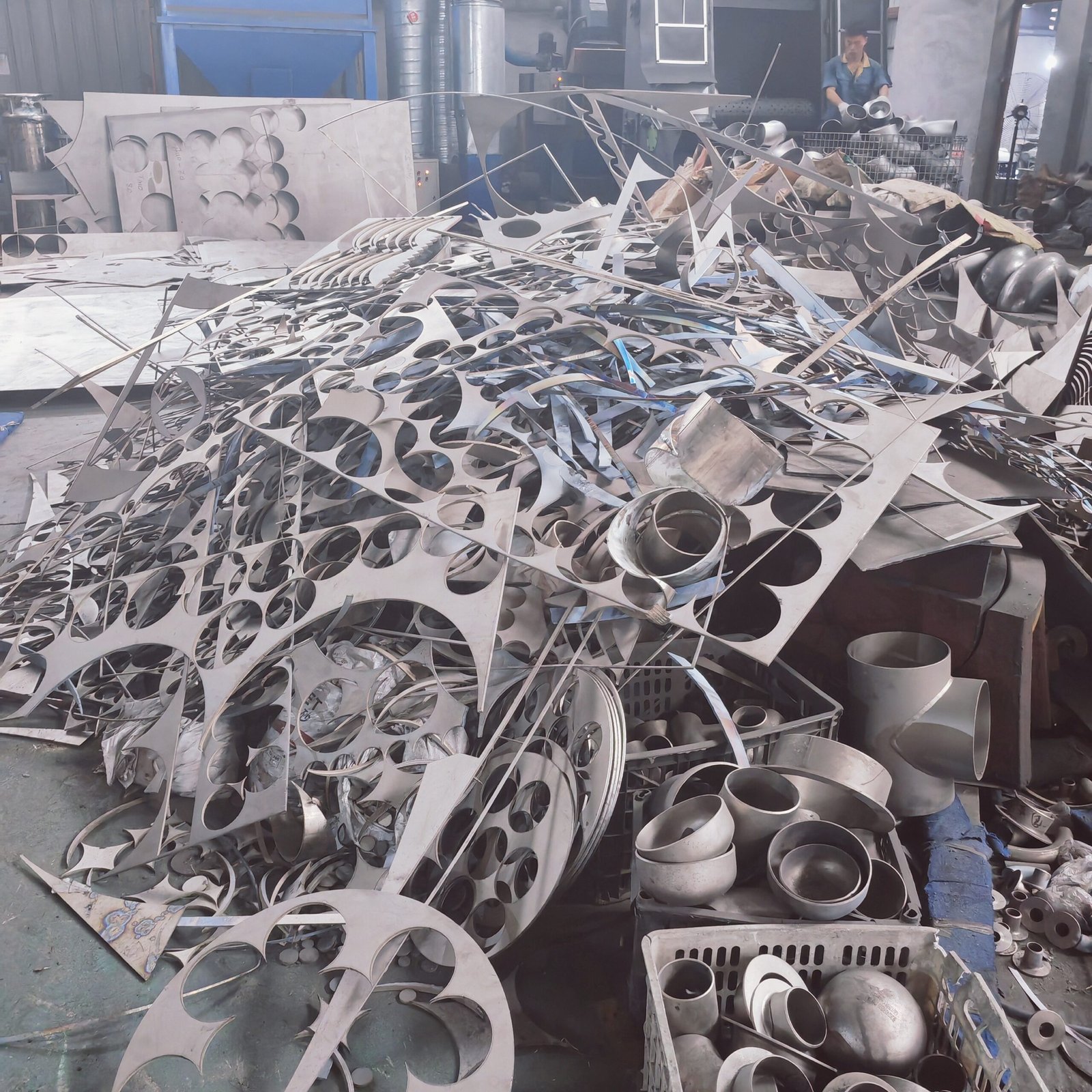
The general recycling process involves several key stages:
- Sorting and identification, separating alloys and removing foreign metals.
- Cleaning and deoiling, especially important for machining chips.
- Shredding or briquetting, forming consistent meltable units.
- Vacuum or controlled-atmosphere melting, such as VAR or electron-beam melting.
- Alloy adjustment, ensuring chemistry matches the intended specification.
- Casting, atomizing, or powder production, depending on the end application.
With the right process controls, recycled titanium can reach the same performance levels as primary titanium—something few metals can claim.
5. Environmental Benefits — Reducing Energy and Preserving Resources
Primary titanium production via the Kroll process consumes large quantities of energy and emits significant CO₂. Recycling bypasses many of these steps, reducing the environmental impact dramatically.
Some of the most significant benefits include:
- 60–90% lower energy consumption compared to ore-based production
- Reduced demand for titanium ore mining
- Lower carbon footprint and fewer emissions
- Less industrial waste entering landfills
For industries committed to sustainability goals, titanium recycling aligns economic interest with environmental responsibility.
6. Economic Benefits — Lower Costs and a More Stable Supply Chain
Titanium pricing is famously volatile due to complex global supply chains, limited producers, and high manufacturing costs. Recycling introduces a stabilizing counterbalance by creating a more predictable, diversified source of titanium feedstock.
Additionally, recycling allows companies to:
- Reduce raw material costs
- Monetize internal production waste
- Improve supply-chain resilience
- Support local closed-loop material systems
For sectors such as aerospace and energy, where titanium usage is heavy and reliability is essential, these advantages are substantial.
7. Industrial Challenges — Why Titanium Recycling Isn’t Easy
Despite its benefits, titanium recycling is not without challenges. The metal is highly sensitive to contamination, and impurities such as oxygen, nitrogen, or iron can dramatically alter its properties.
Key challenges include:
- Preventing oxygen pickup during melting
- Removing oils, coolants, and debris from machining chips
- Separating mixed alloys that look visually identical
- Meeting strict purity and traceability requirements for aerospace and medical applications
These hurdles illustrate why titanium recycling demands specialized expertise and careful handling.
8. Circular Economy — How Recycling Is Transforming Titanium Manufacturing
The move toward circular manufacturing is changing how engineers and factories think about titanium. Instead of accepting high waste ratios as an unavoidable cost, companies are designing processes that minimize material loss and maximize recyclability.
Circularity encourages:
- Designing components with recovery in mind
- Building internal recycling and scrap-capture loops
- Integrating recycled titanium into mainstream production
- Treating titanium not as a single-use material but as a renewable asset
This shift is more than a manufacturing adjustment—it is a mindset change that affects long-term business strategies and environmental impact.
9. What This Means for Engineers, Buyers, and Manufacturers
Titanium recycling reshapes responsibilities across the value chain. Engineers can design parts that generate less waste or choose alloys that are easier to reclaim. Buyers gain access to more stable pricing by incorporating recycled titanium sources. Manufacturers reduce production losses, strengthen sustainability metrics, and build more resilient supply systems.
Ultimately, industries are no longer optimizing for performance alone—they are optimizing for performance and lifecycle sustainability.
10. Conclusion — Titanium’s Second Life Is Just Beginning
Titanium has always symbolized durability and performance, but recycling adds a new dimension to its story. By reclaiming scrap and transforming it back into high-value metal, manufacturers reduce costs, lower environmental impact, and improve long-term supply stability.
Recycling takes titanium beyond its role as a premium material. It becomes part of a circular cycle—designed, used, recovered, and reborn.
From scrap to strength, titanium’s second life is already reshaping the future of manufacturing.
Share this article

Written by : 钛合金网
Follow us
Table Of Content
- 1. Introduction — Why Titanium Recycling Matters More Than Ever
- 2. Where Titanium Waste Comes From — The Hidden By-products of Manufacturing
- 3. Types of Titanium Scrap — Why Classification Matters
- 4. How Titanium Is Recycled — The Journey Back to High-Value Metal
- 5. Environmental Benefits — Reducing Energy and Preserving Resources
- 6. Economic Benefits — Lower Costs and a More Stable Supply Chain
- 7. Industrial Challenges — Why Titanium Recycling Isn’t Easy
- 8. Circular Economy — How Recycling Is Transforming Titanium Manufacturing
- 9. What This Means for Engineers, Buyers, and Manufacturers
- 10. Conclusion — Titanium’s Second Life Is Just Beginning